🔌
Database

Portable Power Stations

Battery + inverter all-in-one units for camping, RV, off-grid and outage backup. LiFePO4 chemistry now standard, expandable models with solar input.
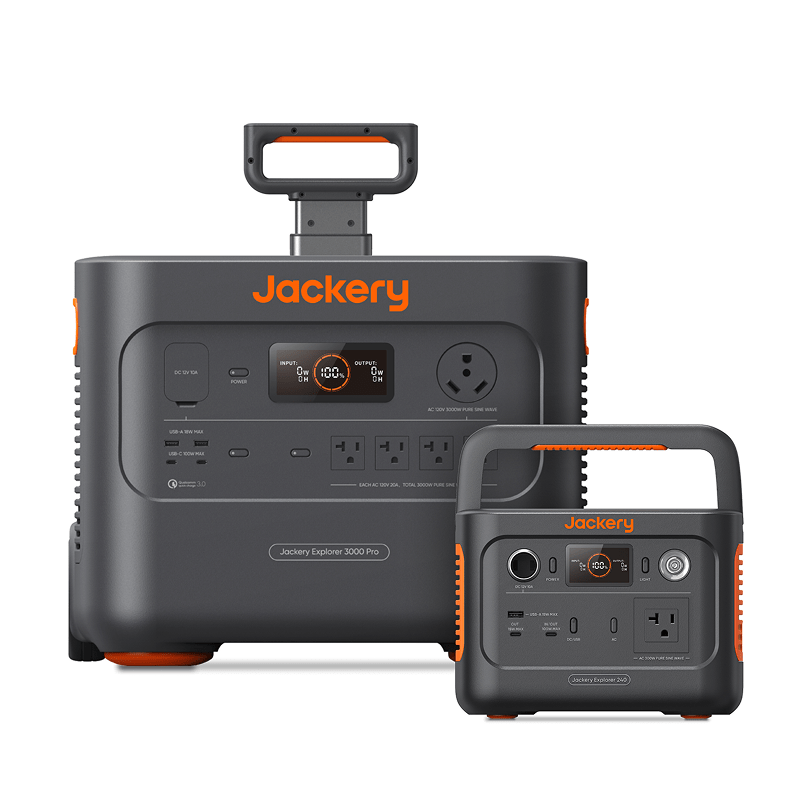
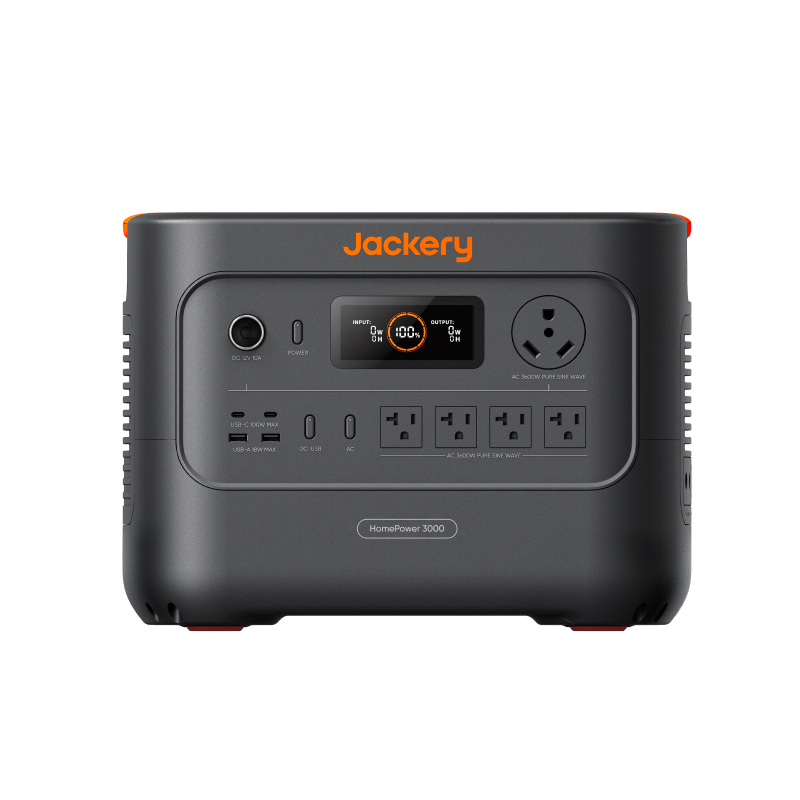
160
models tracked
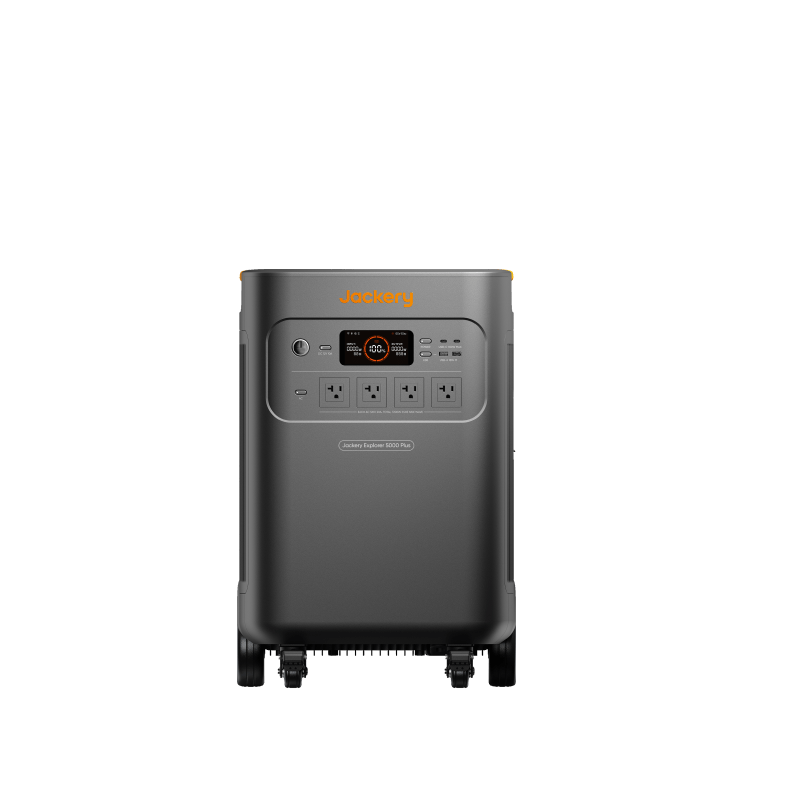
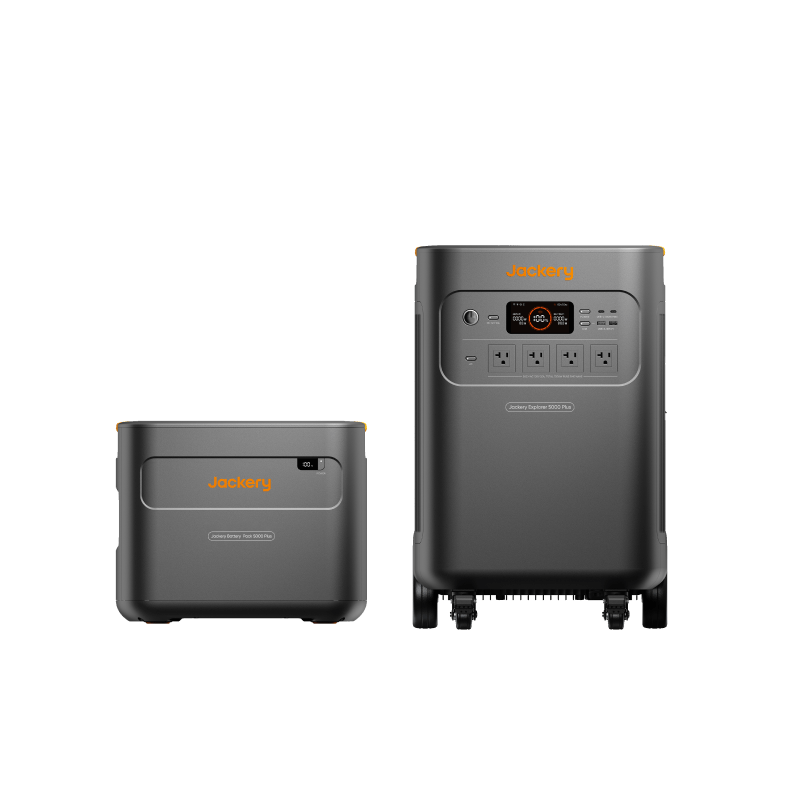
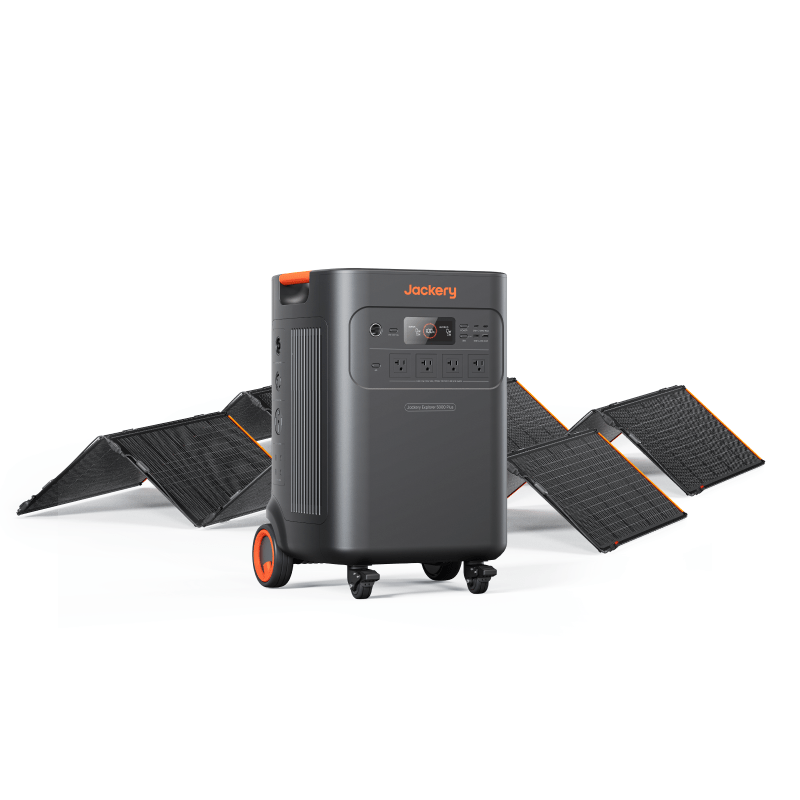
Jackery Battery Pack 5000 Plus
Jackery

Jackery Battery Pack 5000 Plus

Capacity
5040 Wh
From$2,299
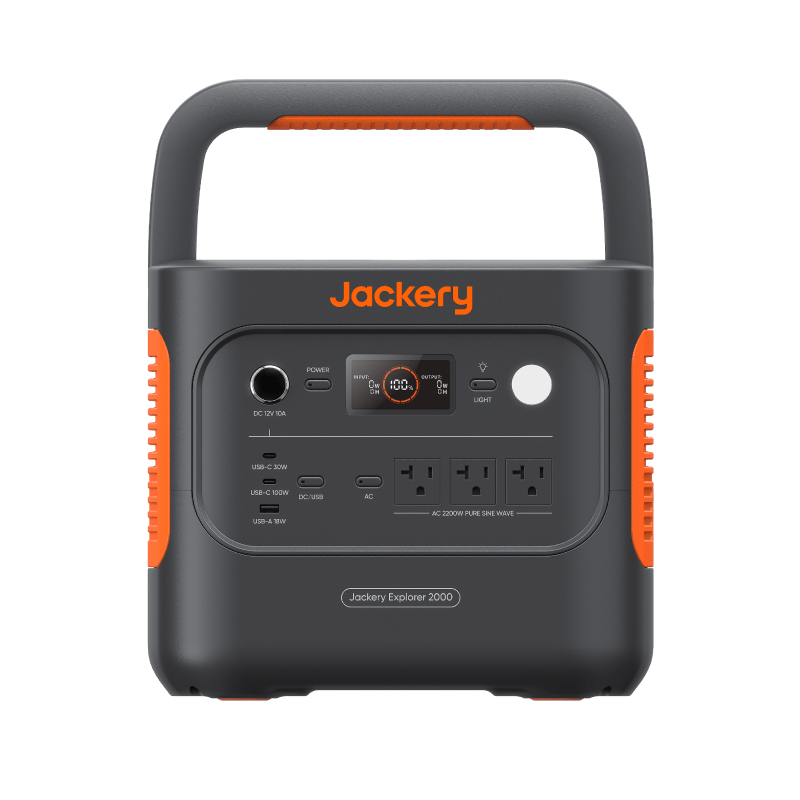
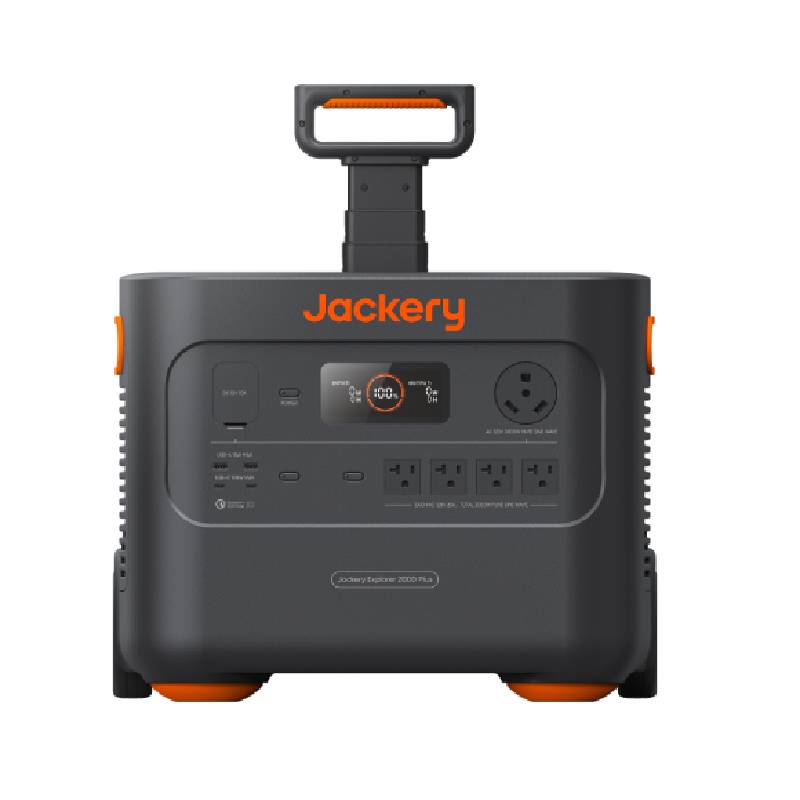
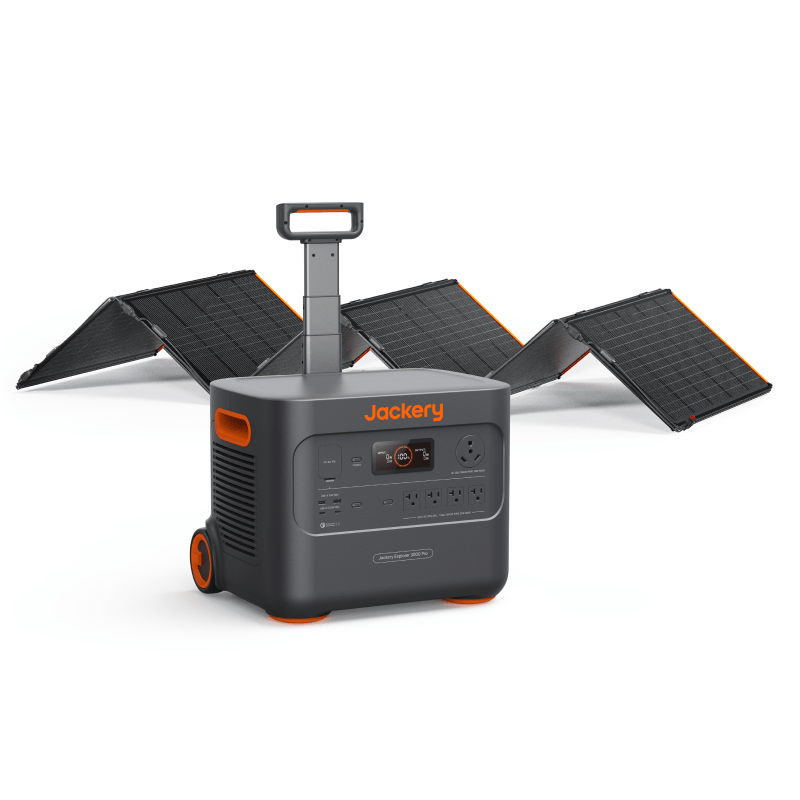
Jackery Explorer  2000 v2 Portable Power Station
Jackery

Jackery Explorer 2000 v2 Portable Power Station

Capacity
2042 Wh
AC out
2200 W
Battery
LiFePO4
Weight
17.5 kg
From$899
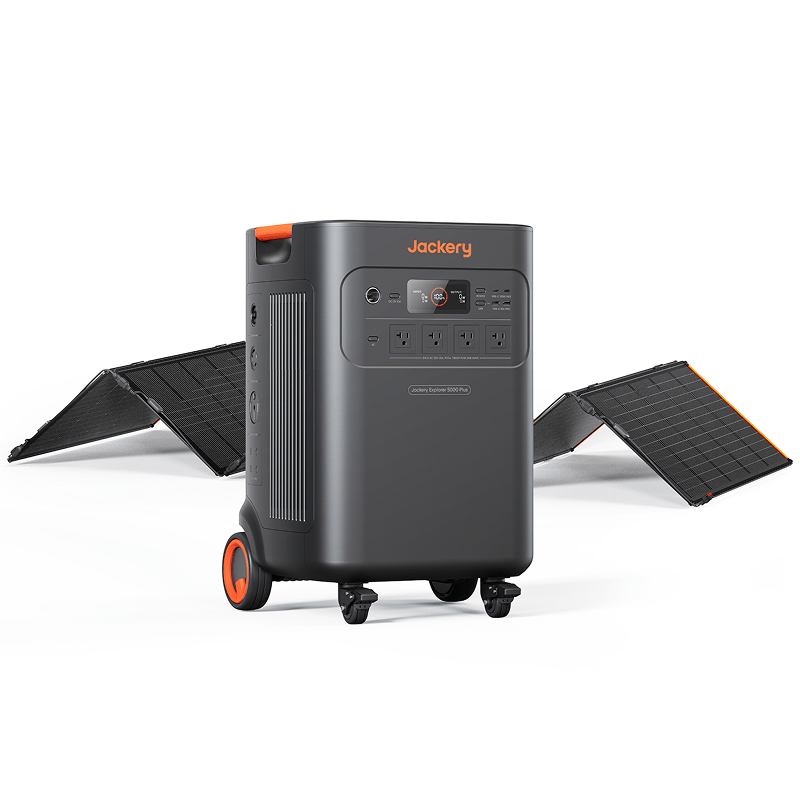
Jackery Explorer  5000 Plus
Jackery

Jackery Explorer 5000 Plus

Capacity
60000 Wh
AC out
14400 W
Battery
Li-ion
Weight
6 kg
From$3,199
Jackery Explorer  5000 Plus (10kWh)
Jackery

Jackery Explorer 5000 Plus (10kWh)

Capacity
10000 Wh
AC out
14400 W
Battery
Li-ion
Weight
6 kg
From$7,999
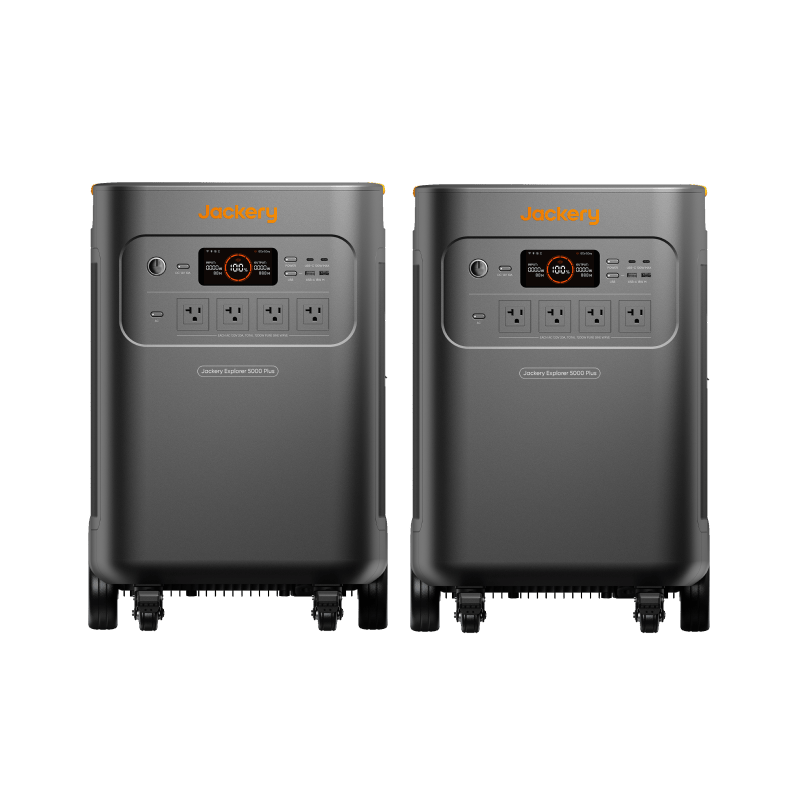
Jackery Explorer  5000 Plus Double Kit (10kWh)
Jackery

Jackery Explorer 5000 Plus Double Kit (10kWh)

Capacity
10000 Wh
AC out
14400 W
Battery
Li-ion
Weight
6 kg
From$5,699
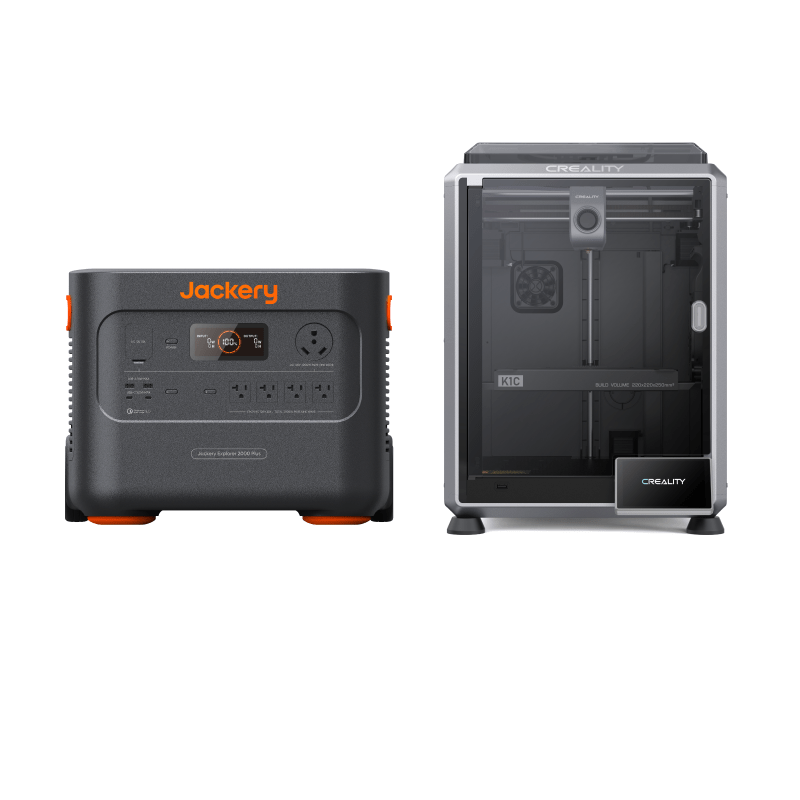
Jackery Explorer 2000 Plus  + Creality K1C 3D Printer
Jackery

Jackery Explorer 2000 Plus + Creality K1C 3D Printer

Capacity
2000 Wh
AC out
3000 W
Battery
LiFePO4
Weight
27.9 kg
From$1,999
Jackery Explorer 2000 Pro Portable Power Station
Jackery

Jackery Explorer 2000 Pro Portable Power Station

Capacity
2160 Wh
AC out
2200 W
Battery
Li-ion
Weight
19.5 kg
From$1,899
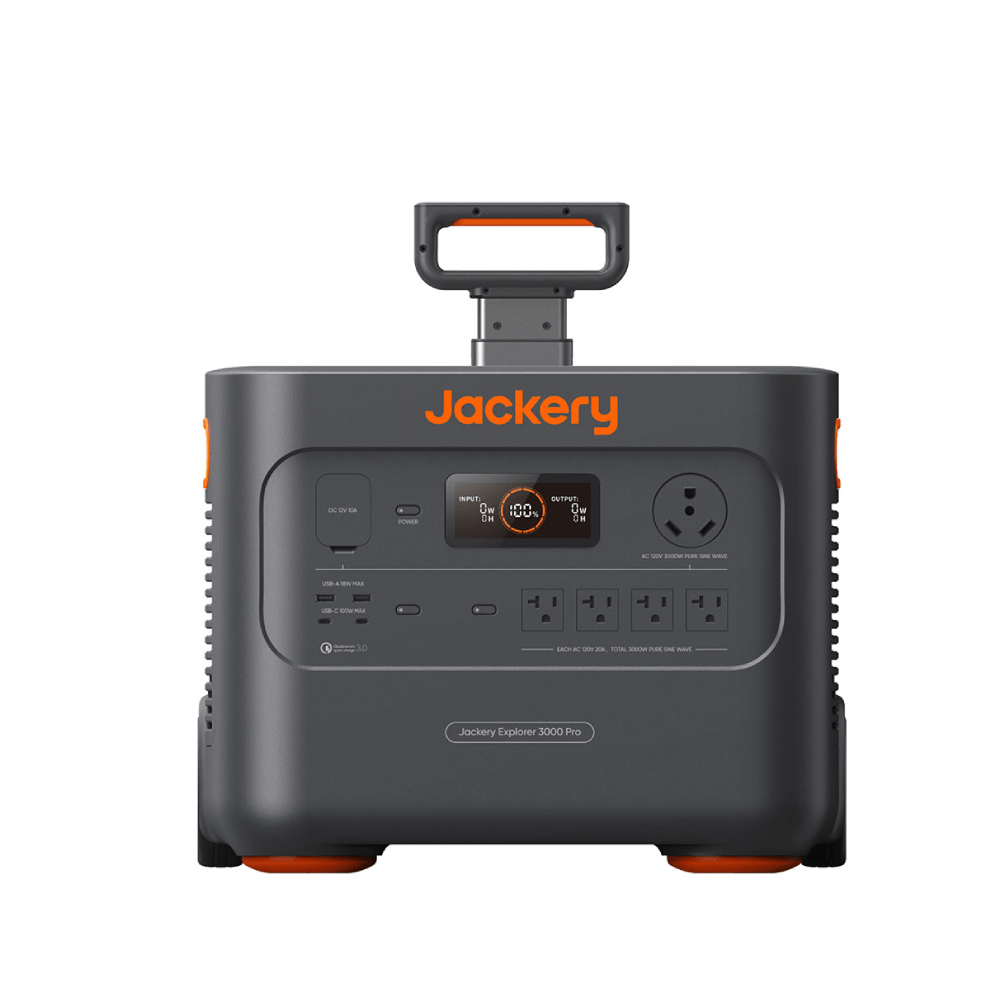
Jackery Explorer 3000 Pro Portable Power Station
Jackery

Jackery Explorer 3000 Pro Portable Power Station

Capacity
3024 Wh
AC out
300 W
Battery
Li-ion
Weight
3.6 kg
From$2,499
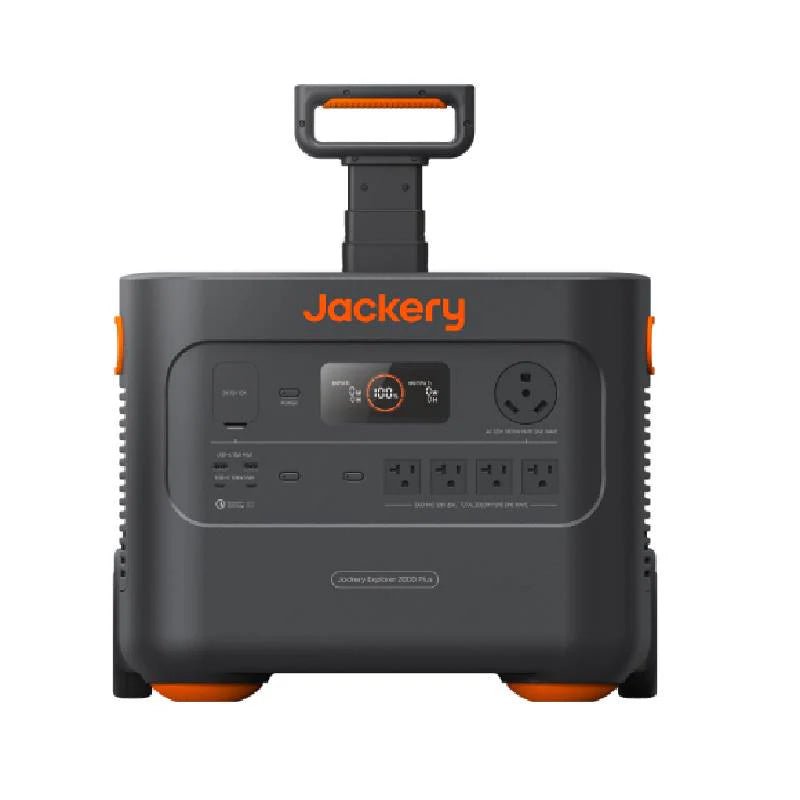
Jackery Portable Power Station  Explorer 2000 Plus
Jackery

Jackery Portable Power Station Explorer 2000 Plus

Capacity
2042 Wh
AC out
3000 W
Battery
lifepo4
Weight
27.9 kg
From$899
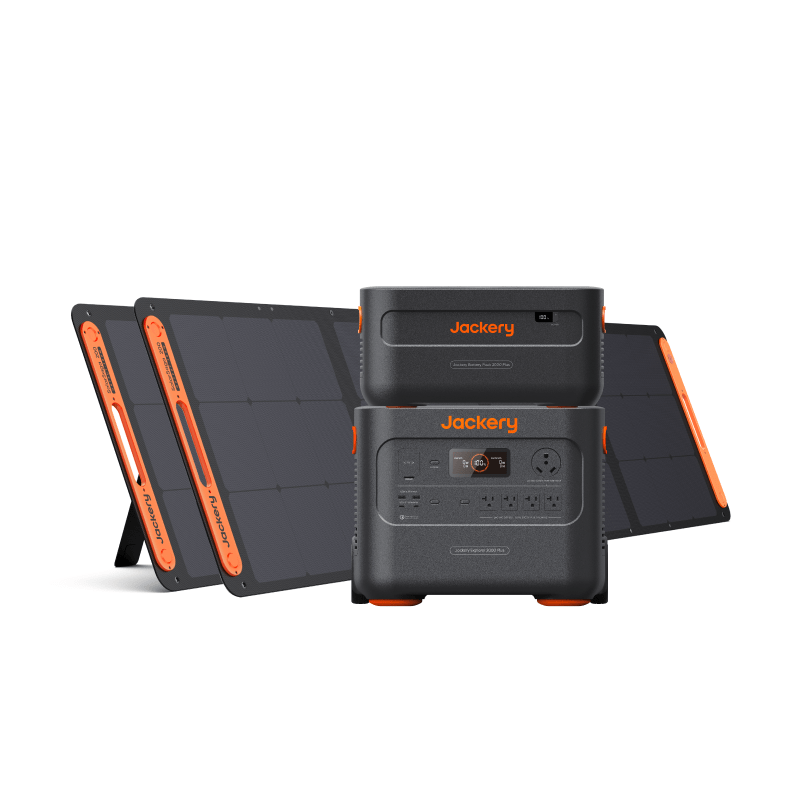
Jackery Solar Generator  2000 Plus Kit (4kWh)
Jackery

Jackery Solar Generator 2000 Plus Kit (4kWh)

Capacity
4000 Wh
Battery
lifepo4
From$1,999
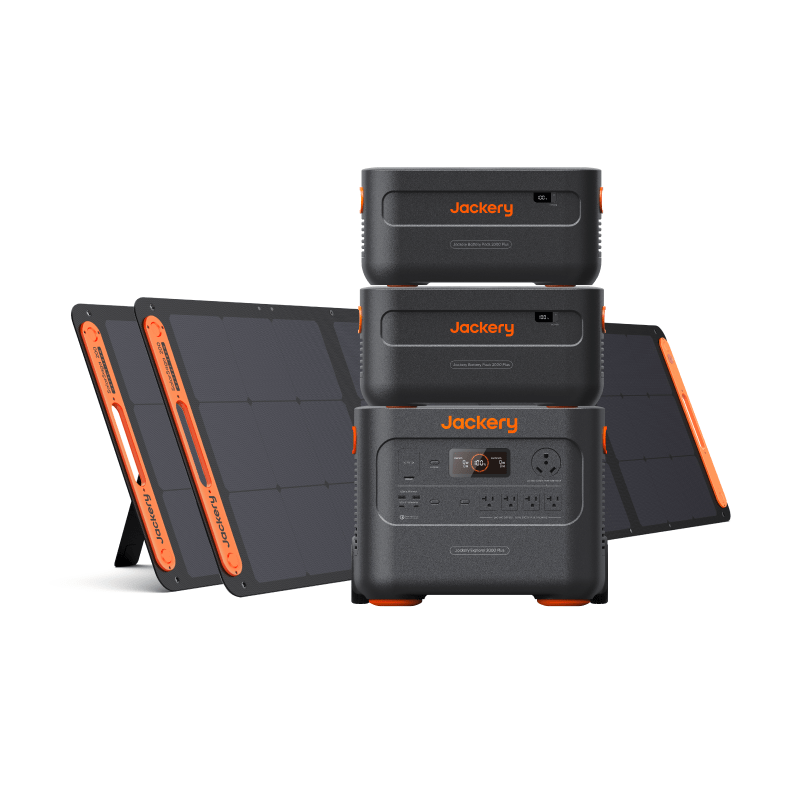
Jackery Solar Generator  2000 Plus Kit (6kWh)
Jackery

Jackery Solar Generator 2000 Plus Kit (6kWh)

Capacity
6000 Wh
Battery
lifepo4
From$2,599
Jackery Solar Generator  5000 Plus
Jackery

Jackery Solar Generator 5000 Plus

Capacity
5040 Wh
From$4,299
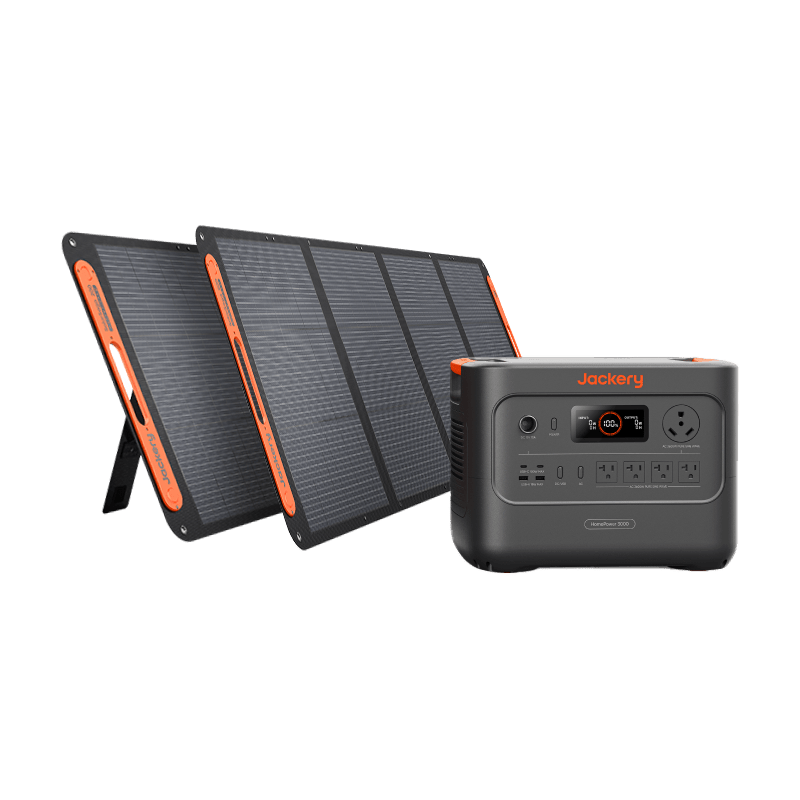
Jackery Solar Generator  HomePower 3000
Jackery

Jackery Solar Generator HomePower 3000

Capacity
3024 Wh
AC out
3600 W
Battery
LiFePO4
Weight
44 kg
From$2,999
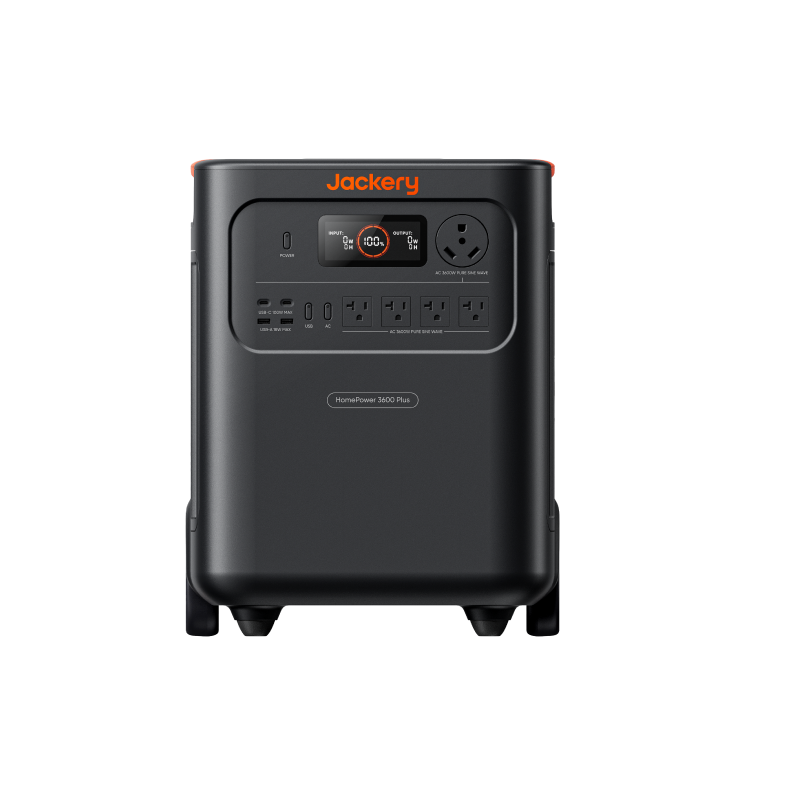
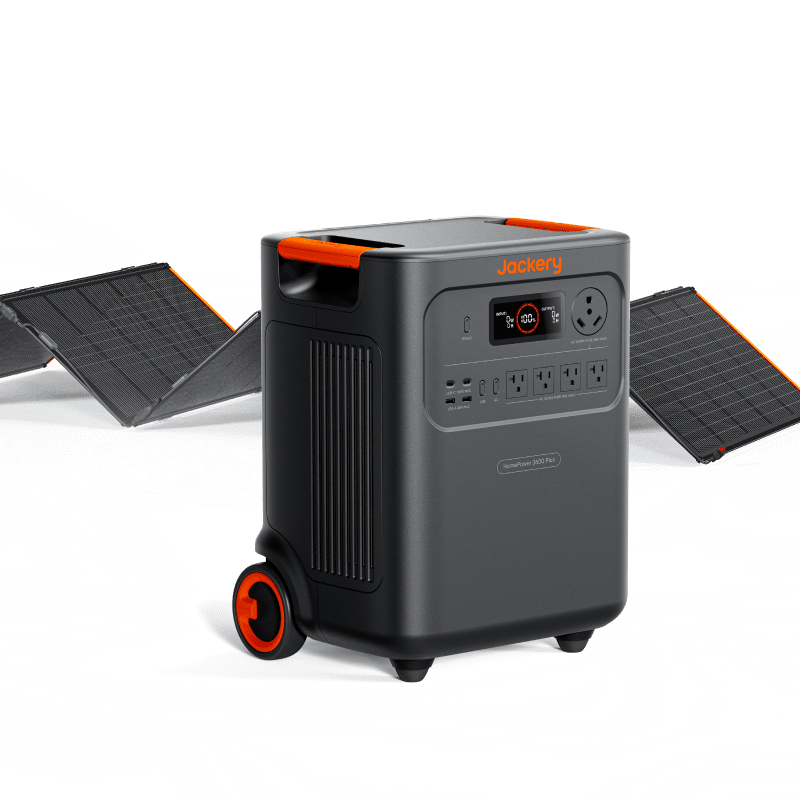
Jackery Solar Generator  HomePower 3600 Plus
Jackery

Jackery Solar Generator HomePower 3600 Plus

Capacity
3600 Wh
AC out
4000 W
Battery
LiFePO4
Weight
50 kg
From$2,299
Jackery Solar Generator 3000 Pro
Jackery

Jackery Solar Generator 3000 Pro

Capacity
3024 Wh
From$3,449
Jackery Whole-Home Backup Kit  5000 Plus (20kWh)
Jackery

Jackery Whole-Home Backup Kit 5000 Plus (20kWh)

Capacity
20000 Wh
AC out
14400 W
From$9,999
Solar Generator  2000 Plus
Jackery

Solar Generator 2000 Plus

Capacity
24000 Wh
Battery
lifepo4
From$1,499
Solar Generator  HomePower 3000
Jackery

Solar Generator HomePower 3000

Capacity
3072 Wh
AC out
3600 W
Battery
LiFePO4
Weight
44 kg
From$2,999
Solar Generator  HomePower 3600 Plus
Jackery

Solar Generator HomePower 3600 Plus

Capacity
3584 Wh
AC out
3600 W
Battery
LiFePO4
Weight
50 kg
From$2,299
Solar Generator 3000 Pro
Jackery

Solar Generator 3000 Pro

Capacity
3024 Wh
From$3,699

Curated picks

Buying guide

How to choose portable power stations

A portable power station is a self-contained battery + inverter + charge controller in a single chassis. The two specs that matter most are capacity (Wh — how much energy it stores) and continuous AC output (W — how big a load it can run). Capacity tells you how long; output tells you what.

For 2026 the market has standardised around LiFePO4 (LFP) chemistry: 3,000+ cycles to 80% capacity, safer thermal behaviour and a typical 5-year warranty. Older NMC units are lighter but degrade faster — pay attention if you see rated cycle life under 1,000.

What to look for

1

Match Wh to your real load

Add up the wattage of devices × hours of use. A 60 W fridge for 24 h needs ~1,440 Wh — and you should size 30% over that for inverter losses and battery DoD.

2

Watch surge wattage

Tools and refrigerators draw 2–5× their rated wattage at startup. A 1,000 W continuous unit with 2,000 W surge handles most fridges; a unit with 1,000 W surge will trip.

3

Solar input ceiling

Stated max solar input (W) and voltage range (Voc) determine how fast you can recharge off-grid. Two 200 W panels in series often won't fit a 60 V controller — check the spec.

4

AC charging speed

Modern LFP units charge 0–80% in 1–2 h via wall socket. Older chargers take 5–7 h. Critical if you cycle the unit daily.

5

Pass-through and UPS mode

Some models pass AC through with sub-20 ms switchover (real UPS); others have a 100+ ms gap that resets desktop PCs. Check the spec sheet.

6

Expandable batteries

Bluetti AC200/AC300, EcoFlow Delta Pro and Anker SOLIX F-series accept extension batteries — buy the base now, expand later. Avoid sealed designs if you expect the load to grow.

Frequently asked

What size power station do I need for a fridge during a power outage?+

A typical full-size fridge draws 100–150 W average and ~600 W surge, using roughly 1.5 kWh per day. A 1,500–2,000 Wh LFP unit will run it for ~24 hours. For multi-day backup, look at 3,000+ Wh units or expandable systems with solar input.

Are LiFePO4 power stations worth the higher price?+

Yes for most use cases. LFP cells last 3–5× longer (3,000+ cycles vs 500–800 for NMC), tolerate full discharge better, and are far less prone to thermal runaway. Over 5 years of regular use, LFP is cheaper per kWh delivered.

Can I take a power station on a plane?+

No. The FAA, EASA and most carriers ban lithium batteries above 100 Wh in carry-on and any size in checked baggage. Even the smallest power stations (200 Wh+) exceed the 100 Wh limit. They are road and rail legal but not for air travel.

How long do portable power stations last?+

Cycle life is the limiting factor. LFP units rated for 3,000 cycles to 80% capacity will give 8–10 years of daily use; NMC units rated for 800 cycles will give 2–3 years of daily use. Calendar ageing adds another 1–2% loss per year.

Can I charge a power station from solar while using it?+

Yes — all modern units support pass-through. Solar input charges the battery while AC/DC outputs power your loads. The unit acts as a daytime solar grid that falls back to battery at night.