1
Match Wh to your real load
Add up the wattage of devices × hours of use. A 60 W fridge for 24 h needs ~1,440 Wh — and you should size 30% over that for inverter losses and battery DoD.
Battery + inverter all-in-one units for camping, RV, off-grid and outage backup. LiFePO4 chemistry now standard, expandable models with solar input.


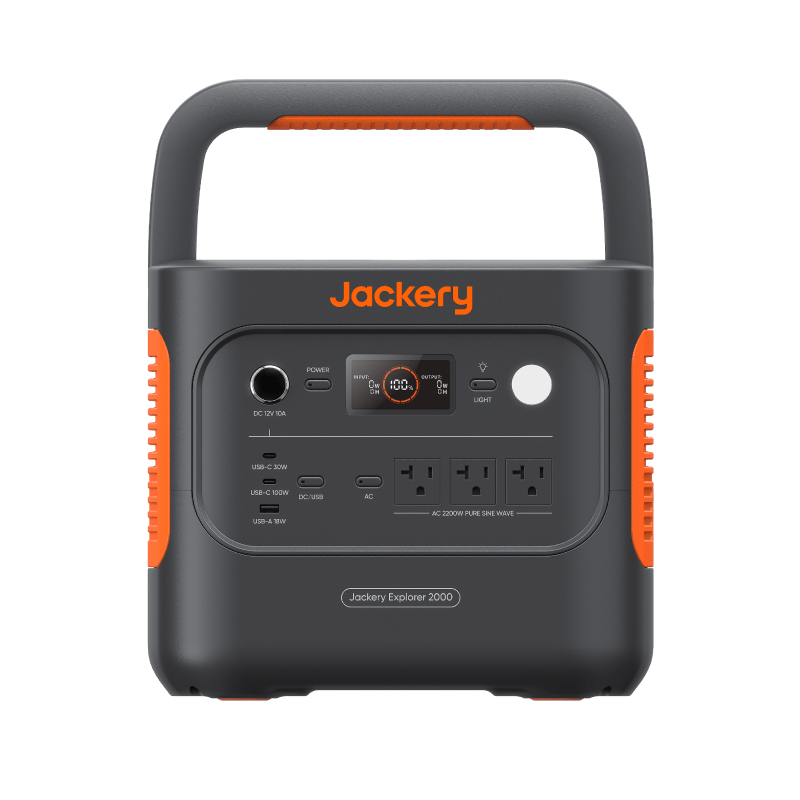
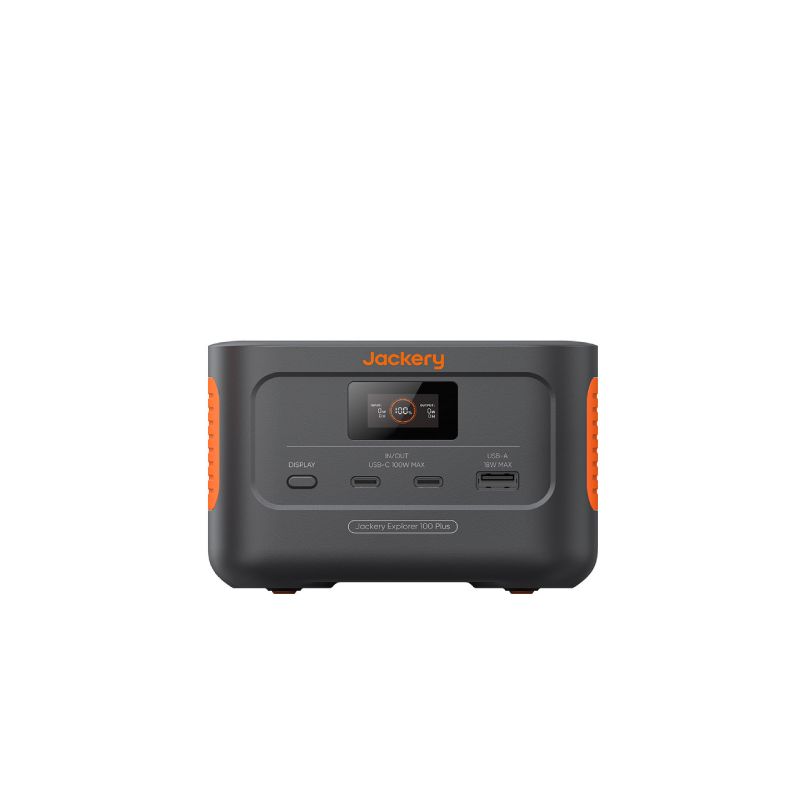
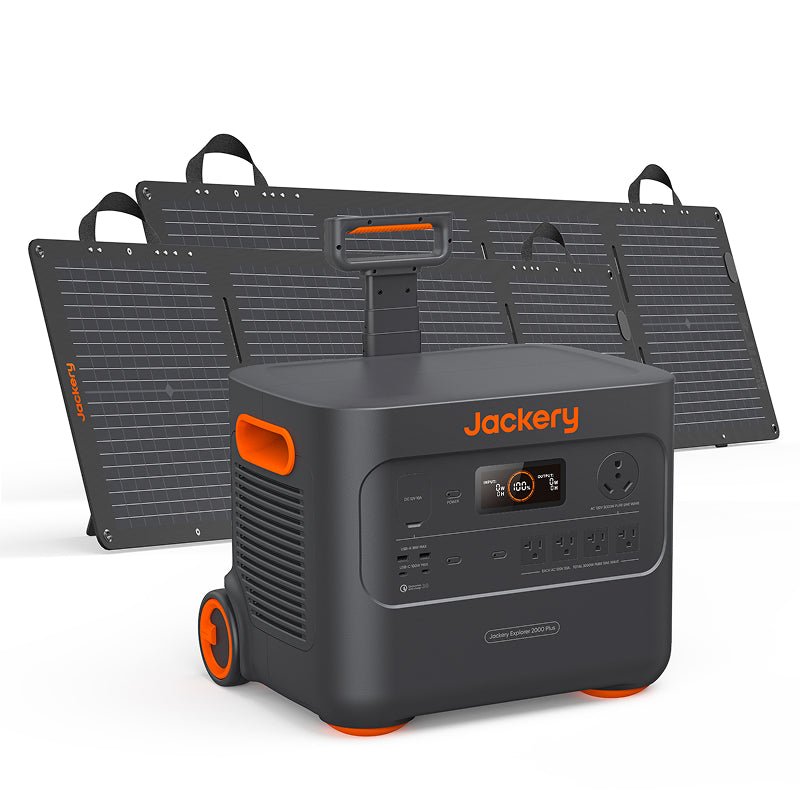
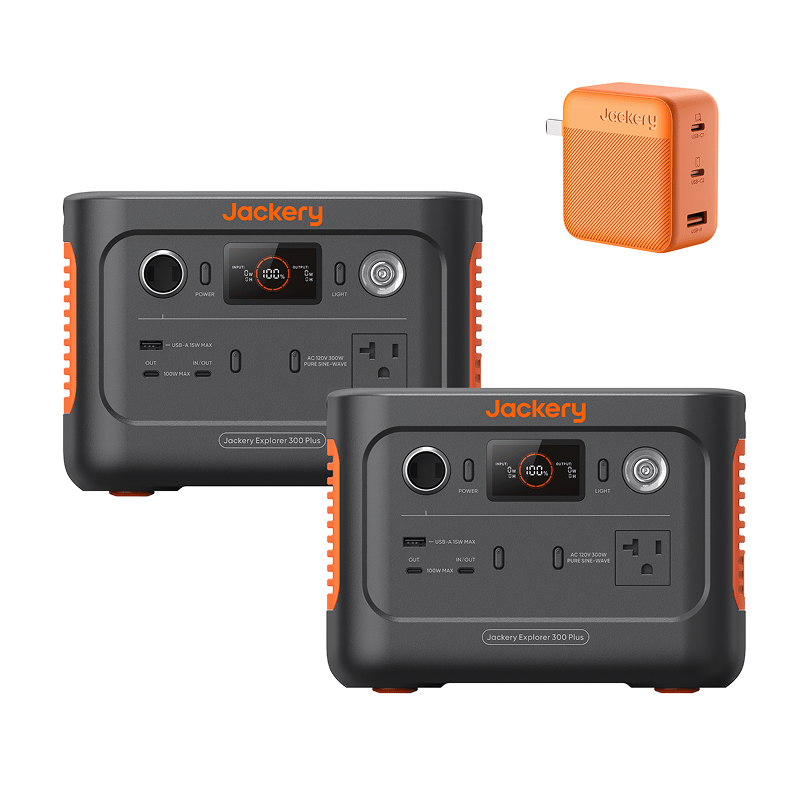
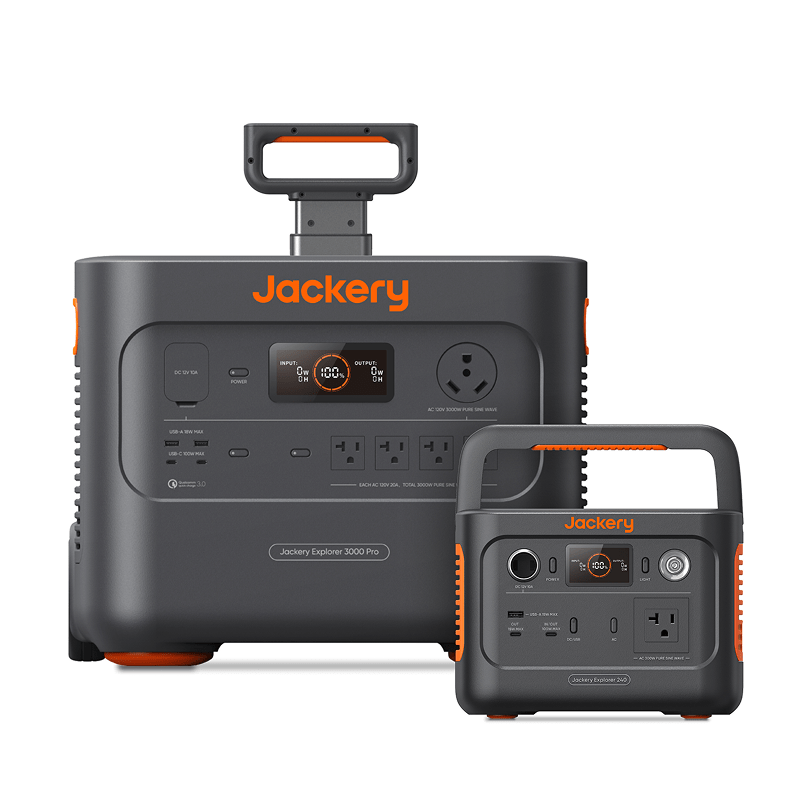
A portable power station is a self-contained battery + inverter + charge controller in a single chassis. The two specs that matter most are capacity (Wh — how much energy it stores) and continuous AC output (W — how big a load it can run). Capacity tells you how long; output tells you what.
For 2026 the market has standardised around LiFePO4 (LFP) chemistry: 3,000+ cycles to 80% capacity, safer thermal behaviour and a typical 5-year warranty. Older NMC units are lighter but degrade faster — pay attention if you see rated cycle life under 1,000.
Add up the wattage of devices × hours of use. A 60 W fridge for 24 h needs ~1,440 Wh — and you should size 30% over that for inverter losses and battery DoD.
Tools and refrigerators draw 2–5× their rated wattage at startup. A 1,000 W continuous unit with 2,000 W surge handles most fridges; a unit with 1,000 W surge will trip.
Stated max solar input (W) and voltage range (Voc) determine how fast you can recharge off-grid. Two 200 W panels in series often won't fit a 60 V controller — check the spec.
Modern LFP units charge 0–80% in 1–2 h via wall socket. Older chargers take 5–7 h. Critical if you cycle the unit daily.
Some models pass AC through with sub-20 ms switchover (real UPS); others have a 100+ ms gap that resets desktop PCs. Check the spec sheet.
Bluetti AC200/AC300, EcoFlow Delta Pro and Anker SOLIX F-series accept extension batteries — buy the base now, expand later. Avoid sealed designs if you expect the load to grow.
A typical full-size fridge draws 100–150 W average and ~600 W surge, using roughly 1.5 kWh per day. A 1,500–2,000 Wh LFP unit will run it for ~24 hours. For multi-day backup, look at 3,000+ Wh units or expandable systems with solar input.
Yes for most use cases. LFP cells last 3–5× longer (3,000+ cycles vs 500–800 for NMC), tolerate full discharge better, and are far less prone to thermal runaway. Over 5 years of regular use, LFP is cheaper per kWh delivered.
No. The FAA, EASA and most carriers ban lithium batteries above 100 Wh in carry-on and any size in checked baggage. Even the smallest power stations (200 Wh+) exceed the 100 Wh limit. They are road and rail legal but not for air travel.
Cycle life is the limiting factor. LFP units rated for 3,000 cycles to 80% capacity will give 8–10 years of daily use; NMC units rated for 800 cycles will give 2–3 years of daily use. Calendar ageing adds another 1–2% loss per year.
Yes — all modern units support pass-through. Solar input charges the battery while AC/DC outputs power your loads. The unit acts as a daytime solar grid that falls back to battery at night.