1
Efficiency vs price
Higher efficiency matters when roof space is limited. If you have plenty of roof, a cheaper PERC panel with more total wattage can beat a premium HJT.
Mono, poly, PERC, TOPCon, HJT, bifacial — for residential rooftop, off-grid, and portable use.


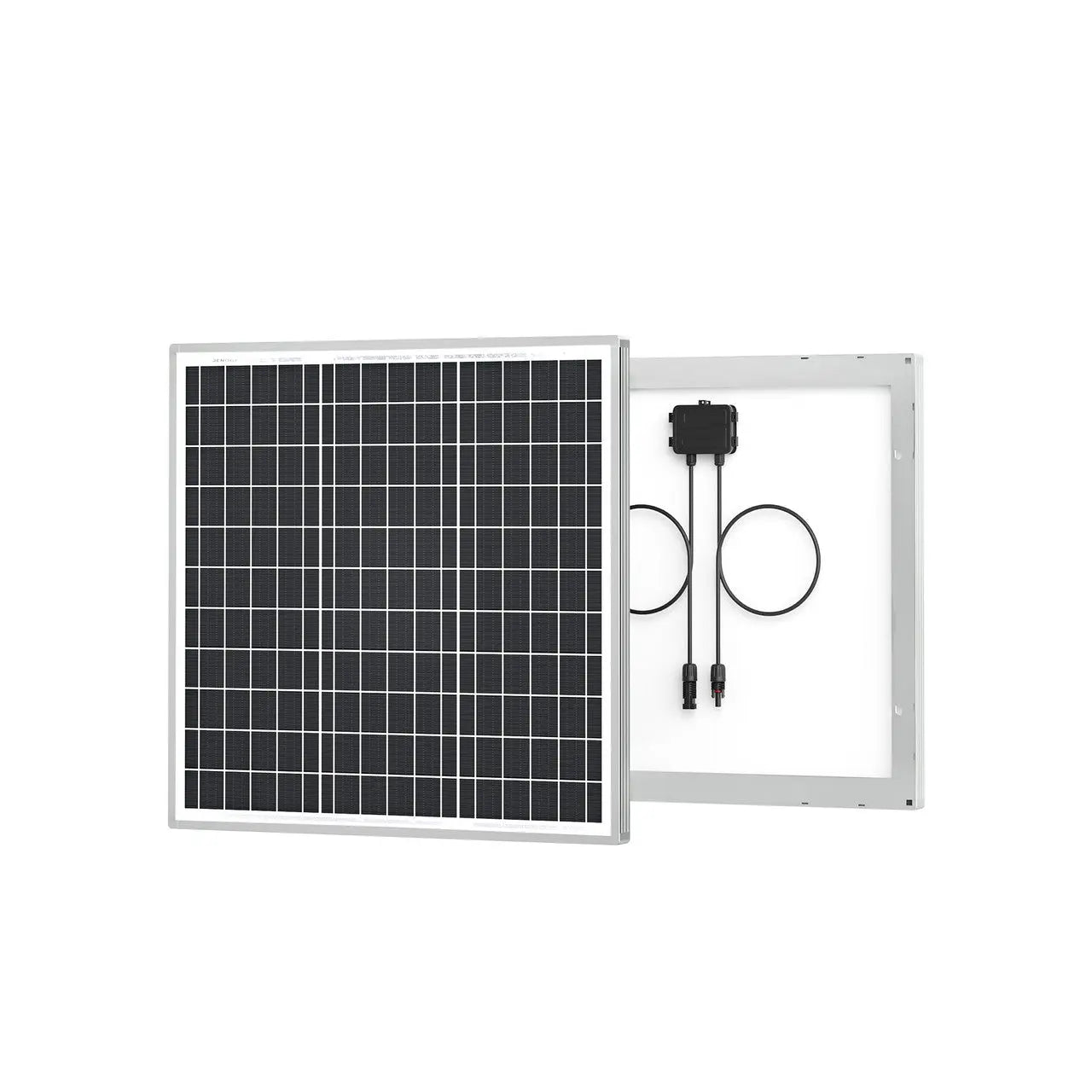


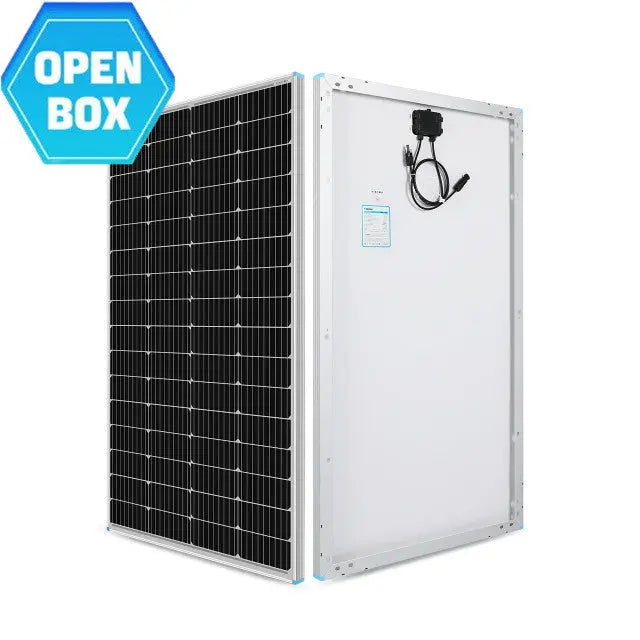


Solar panels are rated by Wp (watt-peak) under Standard Test Conditions: 1,000 W/m² irradiance, 25 °C cell, AM 1.5 spectrum. Real-world output is 75–85% of Wp on a clear day, substantially less in heat or shade.
Cell technology in 2026 splits into three tiers: PERC (legacy, 19–21% efficiency, cheap), TOPCon (current mainstream, 22–23%) and HJT (premium, 23–25%, low-light advantage). For residential rooftop, TOPCon is the best efficiency-per-dollar choice today.
Higher efficiency matters when roof space is limited. If you have plenty of roof, a cheaper PERC panel with more total wattage can beat a premium HJT.
Panels lose 0.3–0.45%/°C above 25°C. In hot climates that's 10–15% summer derate. HJT has the lowest coefficient (~0.26%/°C); poly-Si the worst.
Bifacial panels add 5–25% from rear-side gain depending on ground albedo and mounting height. Worth it for ground mounts and pergolas; usually not for tight rooftop install.
Look for 25-year performance warranty (minimum 80% at year 25) and 12+ year product warranty. Tier-1 brands offer 30/15.
Insist on IEC 61215 + IEC 61730 + IEC 61701 (salt mist, for coastal) certification. Avoid panels with only manufacturer claims.
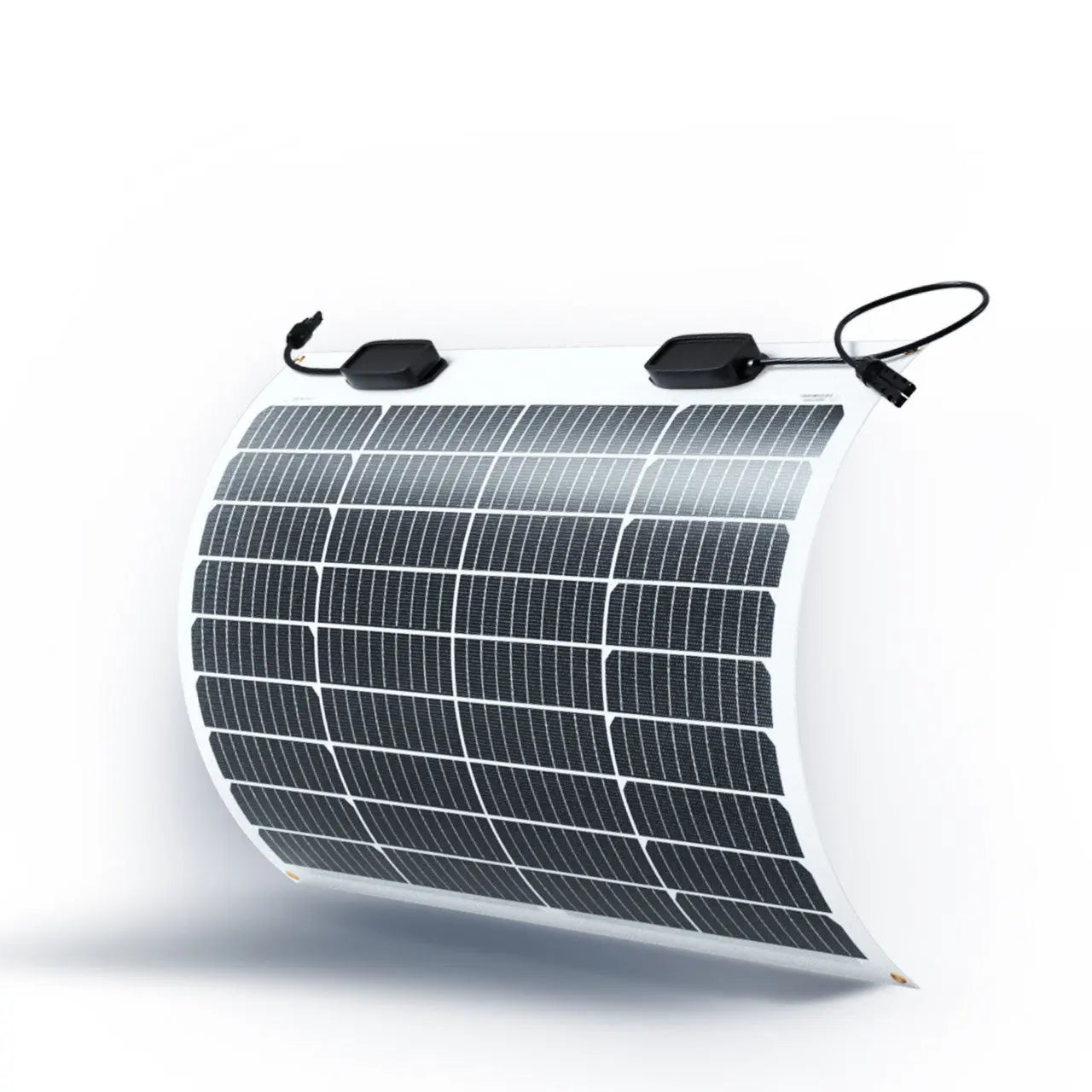
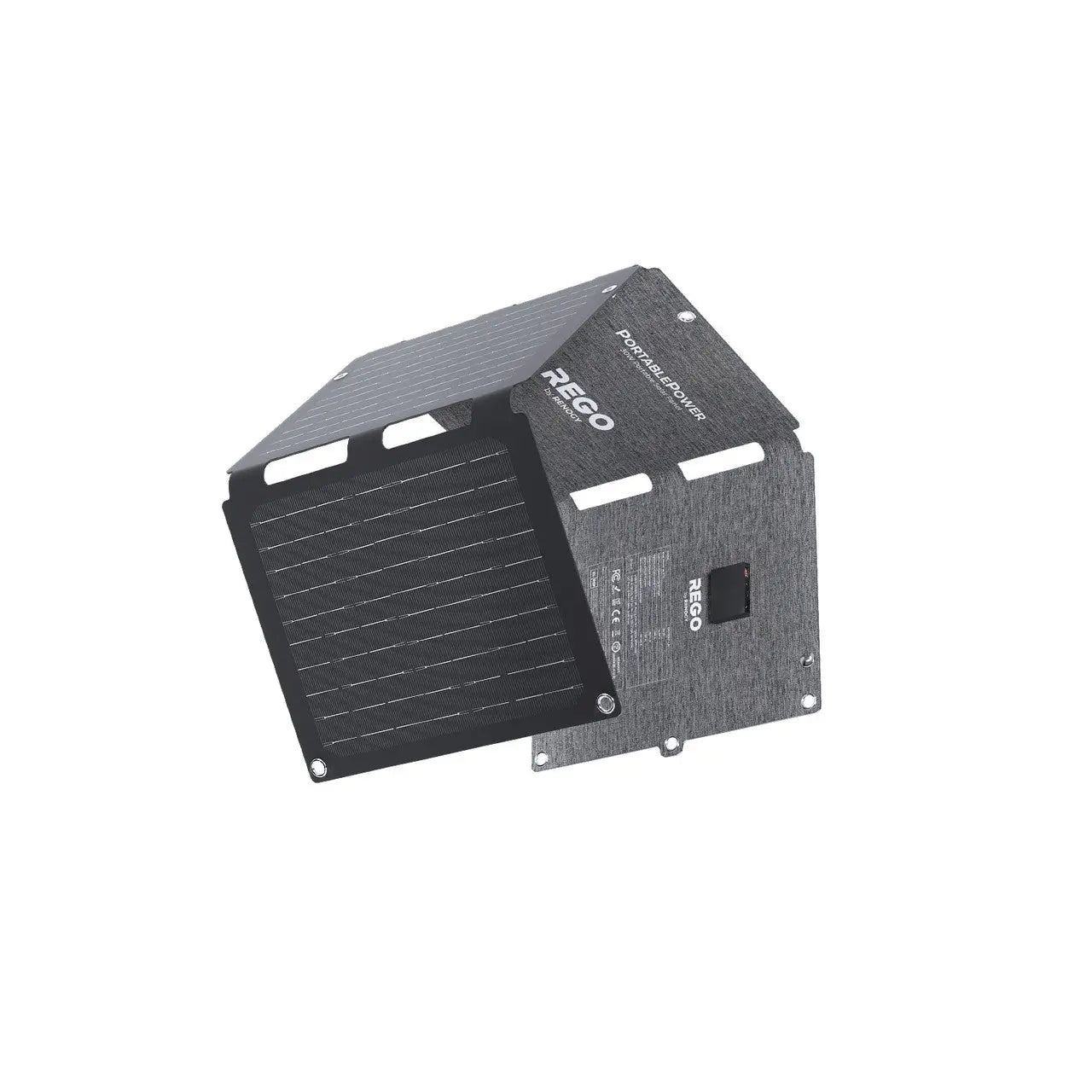
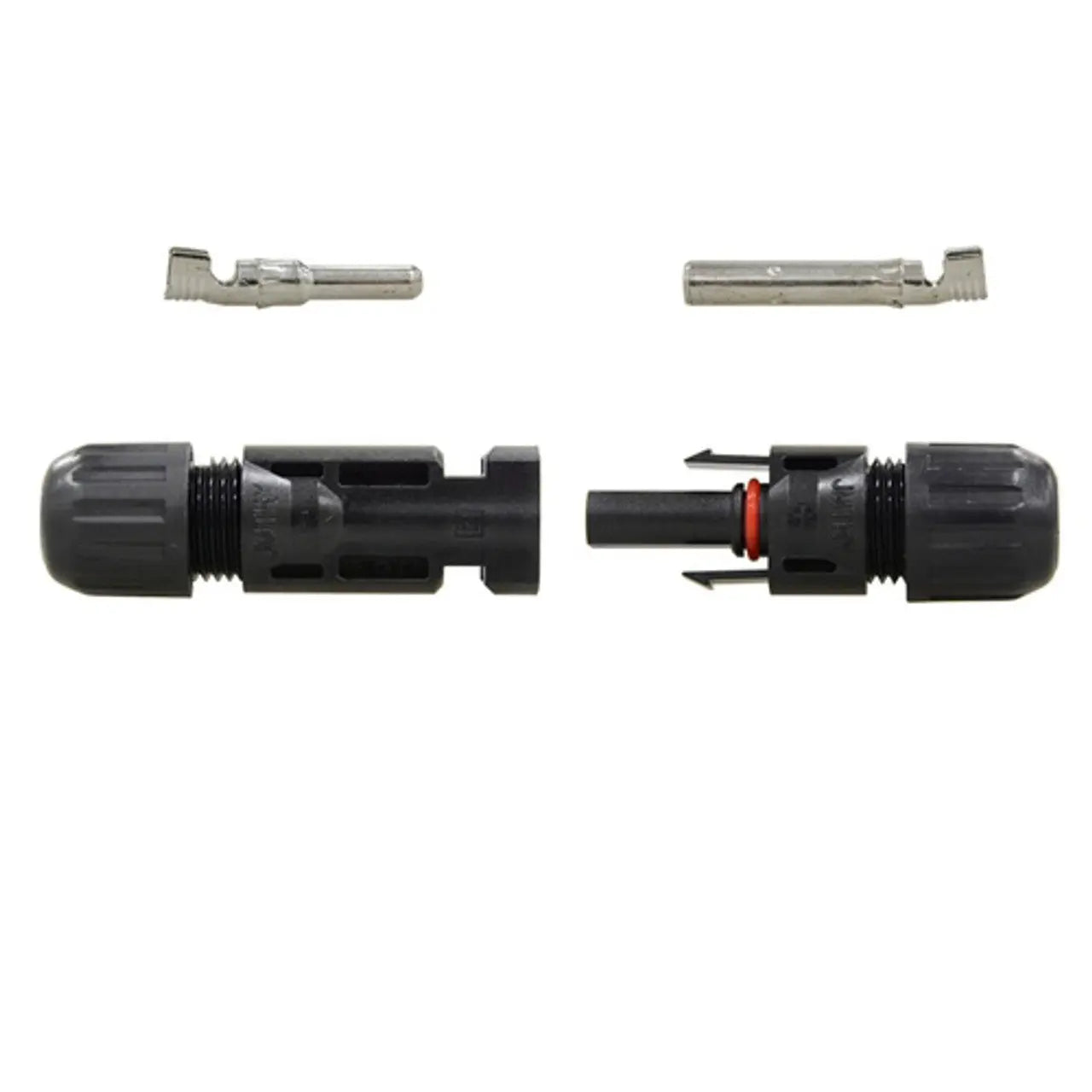
Foldable kits (100–400 W) for power stations are different beasts: monocrystalline, ETFE coating, MC4 or proprietary connectors. Check Voc compatibility with your charge controller.
Average US home uses 30 kWh/day. With 5 peak sun hours and a 400 W panel producing ~1.6 kWh/day, you need about 19 panels for full coverage. Use the solar potential calculator with your exact location and roof tilt for an accurate answer.
TOPCon is more efficient (22–23% vs 19–21%) and has a better temperature coefficient. Per watt installed, TOPCon costs slightly more but produces more energy over its lifetime. For new installs in 2026, TOPCon is the default choice.
Yes, but at 10–25% of their rated output. Diffuse light still drives the photovoltaic effect. Annual yield in cloudy regions like the UK or Pacific Northwest is typically 60–70% of sunny regions at the same latitude.
Tier-1 panels degrade about 0.4–0.5% per year. After 25 years they still produce 85–90% of original output. The actual failure rate (panels going dead) is under 0.1% per year. Most panels outlast their warranty.
Only if you can mount them off a reflective surface (ground, white roof) with airflow behind. On a typical dark shingle rooftop, the bifacial gain is under 3% and not worth the price premium.