Best Jackery Portable Power Stations (2026)
If you want a Jackery, the shortlist is pretty tight in 2026. The best small all-around pick is the Jackery Explorer 240 v2 Portable Power Station at 256Wh, 300W, $249. The cheapest model I’d still recommend is the Explorer 100 Plus at 99Wh, 128W, $149. If you need more runtime for a CPAP, laptop-heavy travel, or weekend camping, the Jackery Explorer 550 Portable Power Station gives you 518Wh and 500W.
This list is Jackery-focused, but I’m also using a few competing models as reference points because buyers this close to checkout deserve context, not brand tunnel vision. You can cross-check every model in our full database, and if you buy through product links, read our affiliate disclosure.
Quick picks
| Pick | Model | Why it stands out | Price |
|---|---|---|---|
| Best overall | Jackery Explorer 240 v2 Portable Power Station | 256Wh, 300W, LiFePO4, 4,000 cycles; the cleanest balance of lifespan and price in Jackery’s small range. | $249 |
| Best value | Explorer 100 Plus | $149 gets you a 99Wh LFP unit that is genuinely useful for phones, tablets, cameras, and USB-C laptops. | $149 |
| Best for longer runtimes | Jackery Explorer 550 Portable Power Station | 518Wh and 500W is enough for longer camping use and more headroom for small appliances. | $549 |
How we picked
We prioritized current price, watt-hours per dollar, inverter size, battery chemistry, cycle life, portability, and whether the model still makes sense against current competition. Our process is summarized in our scoring methodology, and the longer version lives at /how-we-test.
What “good” looks like at this price
In Jackery’s entry and midrange lineup, “good” in 2026 means LiFePO4 battery chemistry, at least 250Wh of capacity, around 300W of AC output, and a price under $250 to $300. That combination is enough for laptop charging, router backup, camera batteries, lights, fans, and some CPAP use with the right settings. If you need help matching loads to capacity, size your system before you buy.
The main tradeoff is simple: the cheapest Jackerys are portable, but they are not serious blackout machines. A 99Wh to 293Wh unit is for personal electronics and short runtimes, not refrigerators or high-draw kitchen gear. For reference, the U.S. Department of Energy explains appliance electricity use in watt-hours and kilowatt-hours, which is the right way to estimate runtime rather than relying on vague “charges your phone X times” marketing (energy.gov). If you want a second opinion on runtime math, our battery runtime calculator is the fastest check.
Against the wider market, Jackery’s weakness is value density. For example, the BLUETTI AC2P Portable Power Station | 300W 230.4Wh is listed at $159, and the (Discontinued) BLUETTI EB3A Portable Power Station | 600W 268Wh offered 600W from a similarly compact class. At the larger end, the BLUETTI Elite 200 V2 Portable Power Station - 2073.6Wh, 2600W shows how much more capacity per dollar exists outside Jackery.
Are Jackery power stations still worth buying in 2026?
Yes, but only if you buy the right ones.
Jackery still does three things well: compact packaging, straightforward user experience, and broad brand recognition. If you want a small box that is easy to carry, easy to understand, and easy to recharge for weekend use, Jackery remains a safe pick.
Where I get more selective is value. Older Jackery Li-ion models like the Jackery Explorer 300 Portable Power Station and Jackery Explorer 550 Portable Power Station are still usable, but they are less competitive on cycle life than newer LiFePO4 units. If you expect frequent use, not just occasional camping, the newer chemistry matters.
Which Jackery size should you buy?
Buy by load and runtime, not by brand tier.
- Under 100Wh: best for phones, earbuds, cameras, drones, and USB-C gadgets.
- Around 250Wh to 300Wh: best for laptops, routers, lights, and short overnight backup.
- Around 500Wh: best for weekend camping, longer CPAP use, and more flexibility for small AC loads.
A quick rule: take your device wattage and multiply by hours of use to estimate watt-hours needed. Then add losses. Portable power stations do not deliver 100% of nameplate capacity at the AC outlet because inverter losses eat part of the stored energy. NREL routinely uses efficiency-based system accounting in storage analysis, and in real use you should expect less than the sticker capacity at the plug (NREL). If you want the exact math, use our solar battery calculator or size your system.
The 7 best models
1) Jackery Explorer 240 v2 Portable Power Station
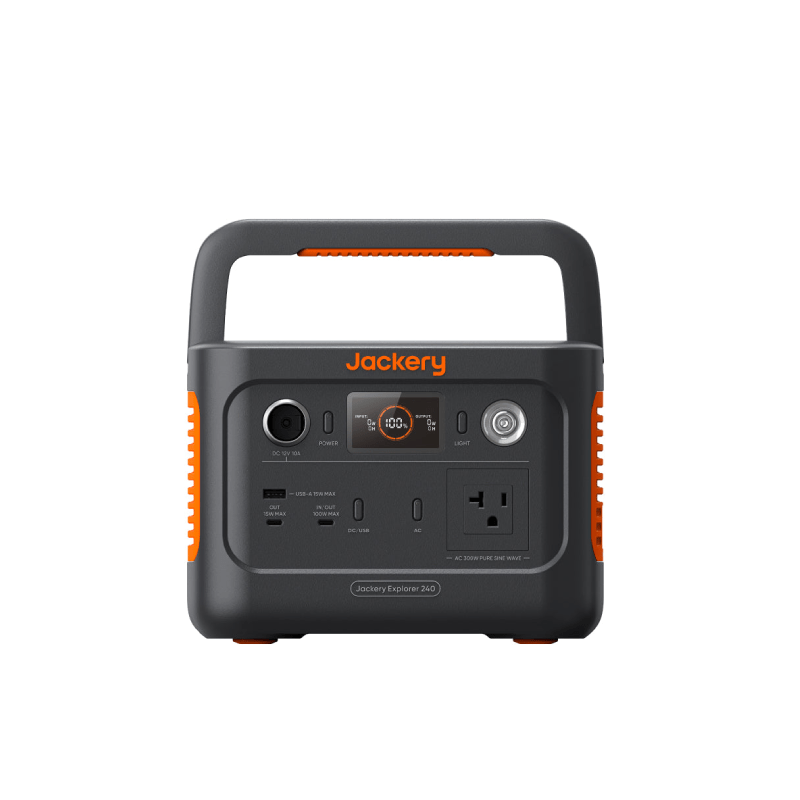
This is the best Jackery for most people because the numbers line up: 256Wh, 300W AC, LiFePO4, 4,000 cycles, 3.6 kg, and $249. That is enough output for laptops, a router, small fans, camera charging, and most low-draw travel gear. The big upgrade over older small Jackery units is lifespan.
| Spec | Value |
|---|---|
| Capacity | 256Wh |
| AC output | 300W |
| Battery | LiFePO4 |
| Cycle life | 4,000 |
| Weight | 3.6 kg |
| Price | $249 |
Pros - LiFePO4 and 4,000 cycles are strong for this size - 300W AC output covers most basic electronics - Better long-term value than older Jackery small units
Cons - 256Wh is still limited for overnight heavy use - Solar input not specified by the manufacturer - Warranty years not specified in the data payload
2) Explorer 100 Plus
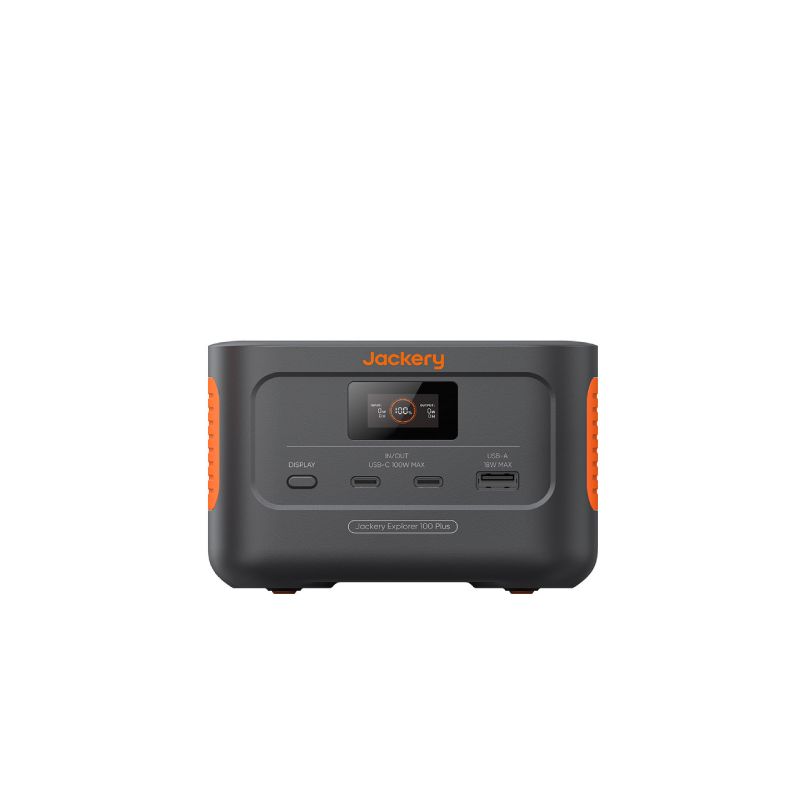
At 99Wh and 128W, this is not an “everything” power station. It is a pocketable battery box for USB-C devices and light travel. At $149 and 1.0 kg, it makes sense if you want something cleaner and more versatile than a standard power bank.
| Spec | Value |
|---|---|
| Capacity | 99Wh |
| AC output | 128W |
| Battery | LiFePO4 |
| Cycle life | Manufacturer description says 2,000 cycles; structured field shows 0 |
| Weight | 1.0 kg |
| Price | $149 |
Pros - Very light at 1.0 kg - LiFePO4 chemistry in a very small unit - Lowest entry price in Jackery’s lineup here
Cons - 99Wh runs out fast on laptops and fans - 128W AC output is very limited - Cycle-life data is inconsistent in the source payload
3) Jackery Explorer 300 Portable Power Station
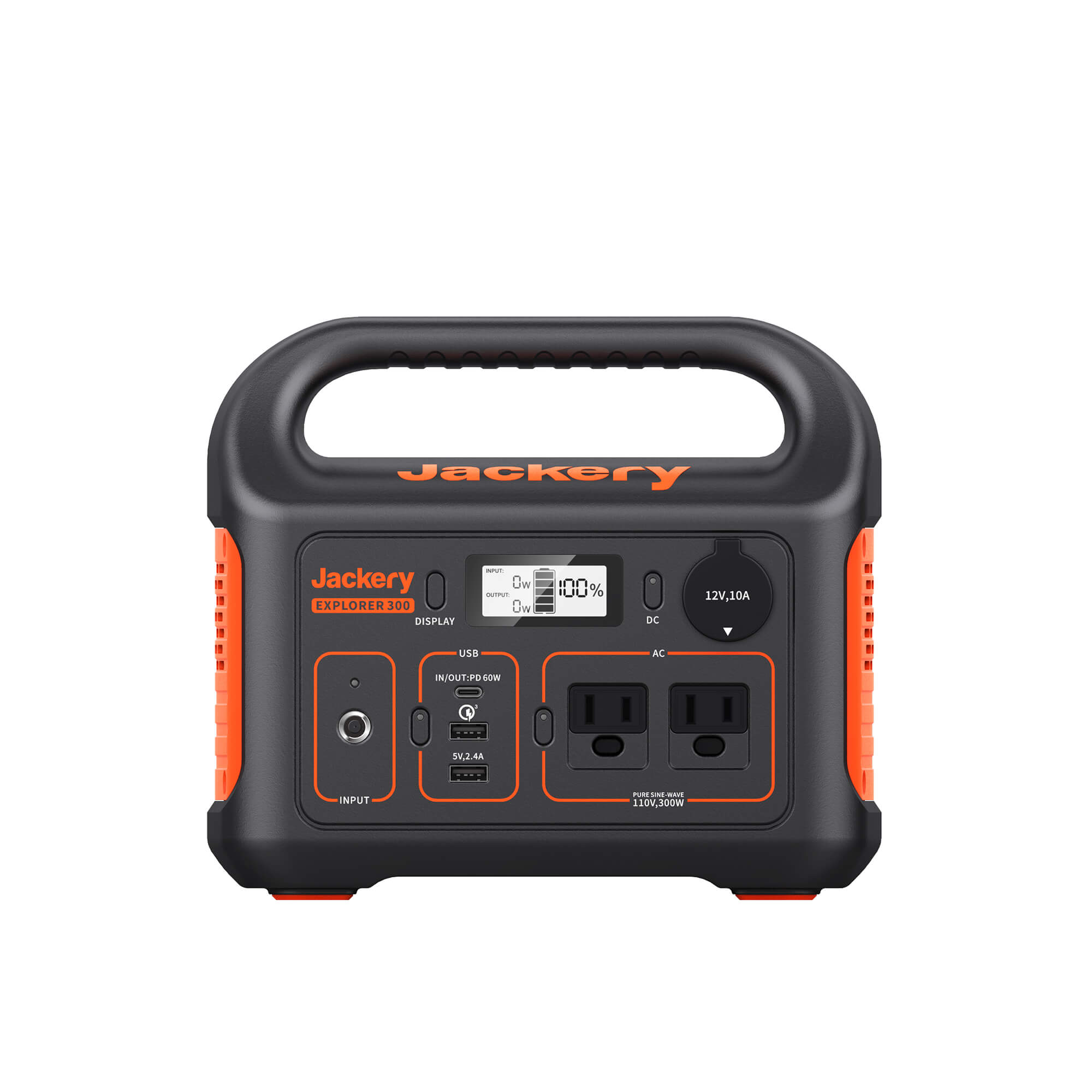
The Explorer 300 still lands in a useful sweet spot for light camping and emergency drawer duty: 293Wh, 300W, 3.6 kg, $279. The problem is age. It uses Li-ion, not LiFePO4, and Jackery lists 800 cycles, which is far behind the Explorer 240 v2 on lifespan.
| Spec | Value |
|---|---|
| Capacity | 293Wh |
| AC output | 300W |
| Battery | Li-ion |
| Cycle life | 800 |
| Weight | 3.6 kg |
| Price | $279 |
Pros - Slightly more capacity than the 240 v2 - Compact and easy to carry - Proven format for travel and short outages
Cons - Older Li-ion chemistry - 800 cycles is weak by 2026 standards - Worse long-term value than newer LFP options
4) Jackery Explorer 550 Portable Power Station
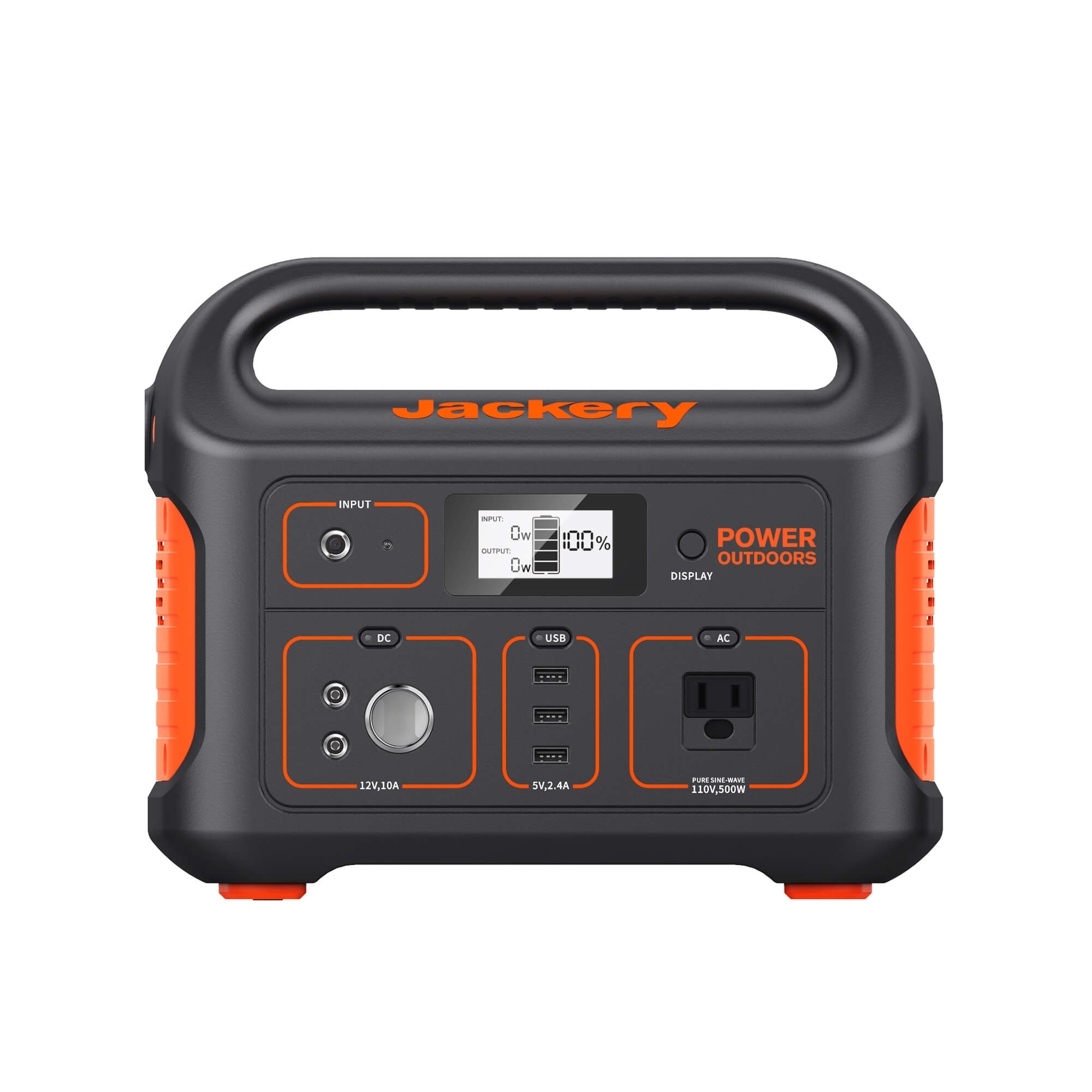
If you need more runtime than the 240 v2 or 300 can deliver, the Explorer 550 is the most practical jump inside this small Jackery set. You get 518Wh, 500W AC, and 6.0 kg weight. That is enough for longer laptop use, more CPAP margin, and better weekend camping flexibility.
| Spec | Value |
|---|---|
| Capacity | 518Wh |
| AC output | 500W |
| Battery | Li-ion |
| Cycle life | 500 |
| Weight | 6.0 kg |
| Price | $549 |
Pros - 518Wh is meaningfully more usable for overnight loads - 500W inverter has more appliance headroom - Still fairly portable at 6.0 kg
Cons - Li-ion chemistry is dated at this price - 500-cycle rating is low - Expensive for the capacity offered
5) BLUETTI AC2P Portable Power Station | 300W 230.4Wh
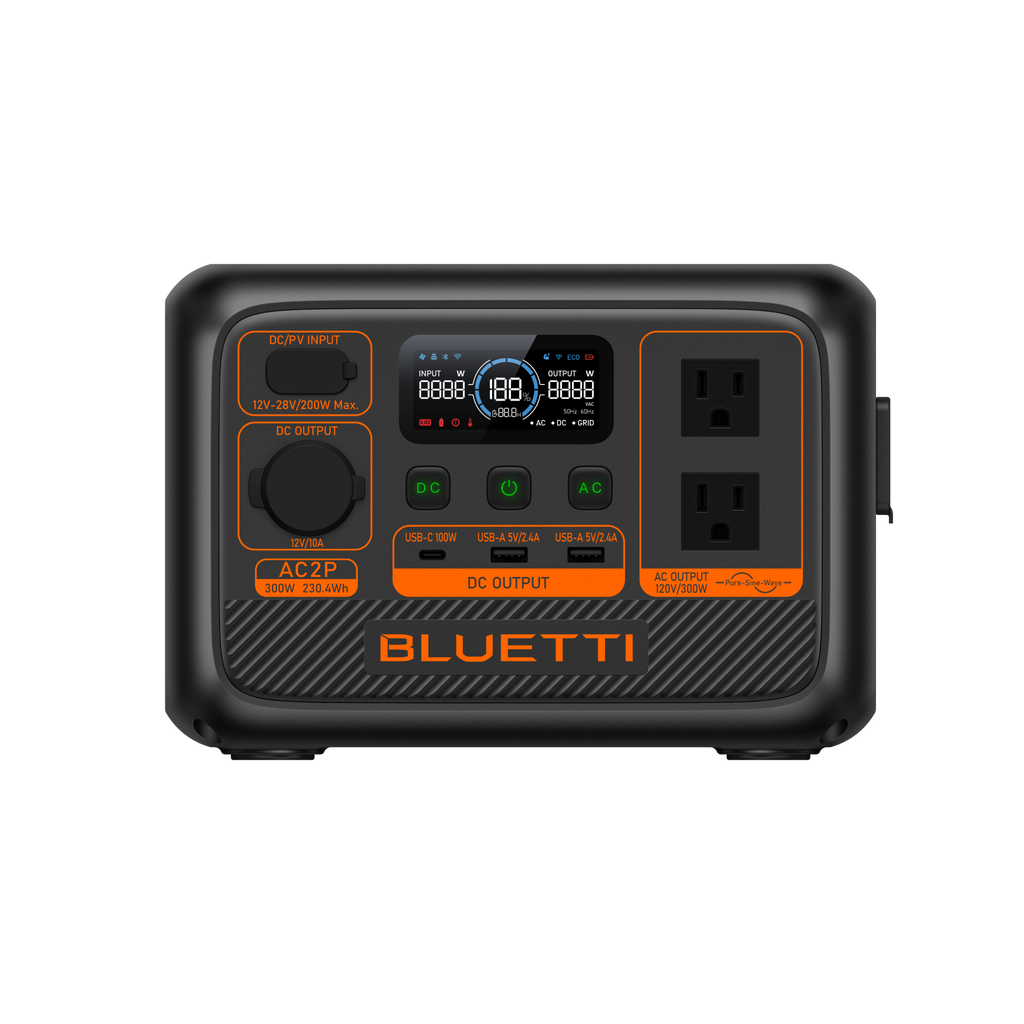
This is here as a value benchmark more than a Jackery replacement. The structured data lists 864Wh, 300W, and $159, while the product name says 230.4Wh. Because those fields conflict, I would treat this listing carefully and verify the official product page before purchase.
| Spec | Value |
|---|---|
| Capacity | 864Wh in structured data; product title says 230.4Wh |
| AC output | 300W |
| Battery | not specified by the manufacturer |
| Cycle life | not specified by the manufacturer |
| Weight | not specified by the manufacturer |
| Price | $159 |
Pros - Very aggressive listed price - 300W class overlaps with small Jackery models - Useful as a cross-shop reference
Cons - Capacity data conflicts in the source - Key specs are missing - Hard to rank confidently without cleaner data
6) (Discontinued) BLUETTI EB3A Portable Power Station | 600W 268Wh
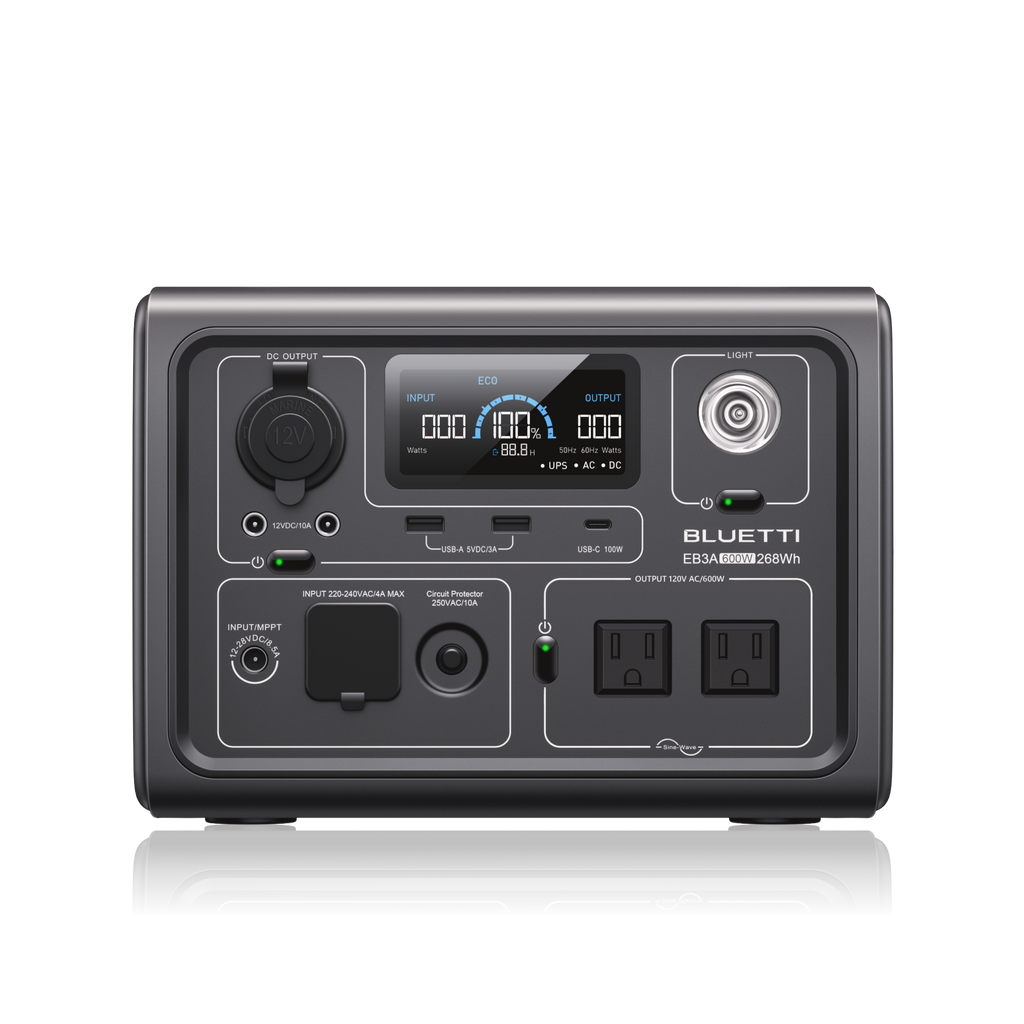
The EB3A is discontinued, but it remains a useful comparison because it delivered 268Wh, 600W, LiFePO4, and 2,500 cycles at $219. That spec mix shows why some older Jackery small units feel expensive in 2026.
| Spec | Value |
|---|---|
| Capacity | 268Wh |
| AC output | 600W |
| Battery | LiFePO4 |
| Cycle life | 2,500 |
| Weight | 4.6 kg |
| Price | $219 |
Pros - 600W inverter is strong for this size - LiFePO4 beats older small Li-ion units - Good historical value reference
Cons - Discontinued product - Availability may be limited or refurbished only - Not a clean current-buy recommendation
7) BLUETTI Elite 200 V2 Portable Power Station - 2073.6Wh, 2600W

If your “Jackery” search is really a search for the best portable power station value, this model blows past the small Jackery class. You get 2073Wh, 2600W, LiFePO4, 6,000 cycles, and expansion to 4147Wh for $799. It is much heavier at 24.4 kg, but the price-to-capacity gap is impossible to ignore.
| Spec | Value |
|---|---|
| Capacity | 2073Wh |
| AC output | 2600W |
| Battery | LiFePO4 |
| Cycle life | 6,000 |
| Weight | 24.4 kg |
| Price | $799 |
Pros - Massive capacity jump for the money - 2600W output can run real home loads - 6,000-cycle LiFePO4 pack with expansion support
Cons - Not in the same portability class as small Jackery units - Much heavier at 24.4 kg - Solar input spec not specified in the data payload
What you give up at this price
If you stay in Jackery’s lower-cost range, you are mostly giving up runtime, inverter headroom, and long-term value versus the broader market. The Explorer 100 Plus and Explorer 240 v2 are sensible products, but they are still small stations. They are great for personal electronics, modest camping loads, and short outages. They are not whole-room backup systems, and they are not efficient substitutes for larger home batteries.
You also give up some competitiveness on older models. The Explorer 300 and Explorer 550 still work, but their Li-ion chemistry and lower cycle-life ratings make them harder to recommend at current listed prices. In 2026, a lot of buyers expect LiFePO4 by default because it usually brings longer service life and better calendar-use confidence. IEC battery safety and test frameworks are one reason buyers now pay more attention to chemistry and durability, not just watt-hours (IEC).
The biggest thing you give up by staying brand-loyal is optionality. If your budget stretches above about $500, the value gap versus competing models gets wide fast. That is why I’d use this page as a Jackery shortlist, then cross-check against our full database, compare with the Jackery Explorer 300 Portable Power Station, Jackery Explorer 550 Portable Power Station, and Jackery Explorer 240 v2 Portable Power Station, then run your loads through size your system. That extra two minutes usually prevents the most common mistake: buying too little battery, then trying to solve it with brand optimism.
Frequently asked questions
Which Jackery portable power station is best for most people in 2026?+
For most buyers, the Jackery Explorer 240 v2 is the best balance of price, battery chemistry, and usable output. It gives you 256Wh, 300W AC output, and a LiFePO4 battery rated for 4,000 cycles.
What is the cheapest Jackery portable power station worth buying?+
The Explorer 100 Plus is the lowest-cost Jackery on this list at $149. It is best for phones, tablets, cameras, and USB-C gear, not for running larger AC appliances for long.
Are older Jackery lithium-ion models still worth buying in 2026?+
Some are, but only at the right price. Models like the Explorer 300 and Explorer 550 are still useful, but their cycle life and older Li-ion chemistry are less competitive than newer LiFePO4 units.
How much portable power station capacity do I need?+
Start with your device wattage and runtime target. Our readers usually get the fastest answer by using a sizing tool to estimate daily watt-hours before buying.
Is Jackery the best value brand overall?+
Not always. Jackery has strong portability and simple setups, but competitors can offer more watt-hours per dollar or longer cycle life, especially in larger classes.
Editor at SolarWorld covering portable power, balcony PV and home energy storage. Specifications quoted in this guide are pulled directly from our product database; analysis and recommendations are by Nathan Cole.
Full bio & methodology →Related articles
- Buying guide · 9 min
Best Emergency Power Stations 2026: Only 7 Worth Buying
Our 2026 shortlist of portable power stations for outages, with honest tradeoffs, exact specs, and the best picks by budget and backup need.
- Buying guide · 9 min
Best Construction Site Power Stations 2026: 7 Worth Buying
We ranked 7 portable power stations for jobsite use by watts, watt-hours, expandability, and price. See the best picks before you buy.
- Buying guide · 8 min
Best Portable Power Stations for Tailgating 2026: 7 Picks
The best portable power stations for tailgating and outdoor events in 2026, ranked by usable capacity, output, and price. Buy smarter fast.