Best solar-ready portable power stations (2026)
If you want the short version, buy the unit with the best mix of watt-hours, inverter output, battery chemistry, and price — not the one with the loudest “solar generator” branding. In this lineup, the strongest buy for most people is 1,264Wh with 2,000W output for $999. The cheapest entry point is $159, but it comes with major compromises and some messy listing data. And if your goal is home backup rather than camping, one model here jumps to 2,764Wh and 3,840W.
We independently rank products using our scoring methodology, and this page may contain monetized links; read our affiliate disclosure. If you want to compare beyond these seven picks, use the full database.
Quick picks
| Category | Model | Why it wins | Price |
|---|---|---|---|
| Best overall | Jackery Portable Power Station Explorer 1000 Plus | 1,264Wh, 2,000W, LiFePO4, 4,000 cycles, expandable to 5,000Wh | $999 |
| Best value | BLUETTI AC70P Portable Power Station | 1000W 864Wh | 864Wh and 1,000W for $649 is a solid middle-ground buy | $649 |
| Best for home backup | Bluetti Apex 300 Home Integration Kit | 2,764Wh, 3,840W, LiFePO4, 6,000 cycles, expandable to 29,400Wh | $699 |
How we picked
We prioritized usable battery capacity, continuous AC output, battery chemistry, cycle life, expandability, and current street price — then discounted models with missing key specs or confusing bundle positioning. You can see the framework in our scoring methodology, and if you want to size your system before buying, start there.
What “good” looks like at this price
For portable power stations sold as “solar-ready,” good value in 2026 looks like roughly 680Wh to 1,264Wh of capacity, at least 1,000W of continuous AC output, and preferably LiFePO4 chemistry if you expect frequent cycling. In this dataset, the sweet spot is the $599 to $999 range: enough energy for a day of device charging, router backup, lights, small kitchen loads, or some medical gear, without jumping to full home-backup pricing.
The biggest tradeoff is that “solar-ready” does not always mean the manufacturer clearly states the solar input limit on the product page. Several models here omit maximum solar charging wattage, so I can’t verify panel pairing limits from the supplied data. That matters because real solar recharge speed depends on panel wattage, controller limits, sun angle, temperature, and weather; NREL’s consumer guidance on solar performance explains why nameplate panel power rarely matches field output exactly (NREL). If you’re planning around outage runtime, also use our battery runtime calculator and solar panel calculator.
A second tradeoff: some listings here are clearly standalone power stations, while others are “solar generator” bundles that appear to package the same base unit with panels. If the core specs are identical, the bundle only makes sense if you want the included solar hardware and are happy paying the premium.
The 7 best models
Jackery Portable Power Station Explorer 1000 Plus
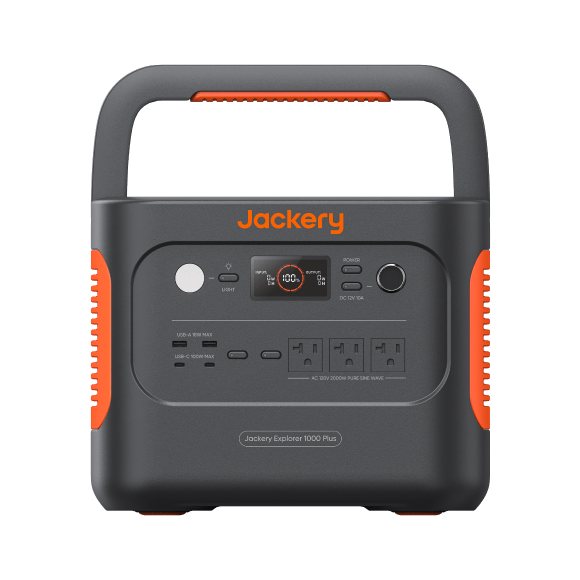
This is the best overall pick because the numbers line up cleanly: 1,264Wh of capacity, 2,000W continuous AC output, LiFePO4 chemistry, 4,000-cycle life, and expansion up to 5,000Wh. At $999, it is not cheap, but it lands in the part of the market where you can run meaningful loads instead of just keeping phones alive.
For mixed use — camping, blackout backup, tailgating, remote work, and light tool use — 2,000W continuous output is the headline spec that changes what you can actually plug in. The 14.5 kg weight is still portable enough for car camping or moving room to room. If you want a direct product page on our site, see Jackery Portable Power Station Explorer 1000 Plus.
| Spec | Value |
|---|---|
| Capacity | 1,264Wh |
| AC output | 2,000W continuous |
| Battery | LiFePO4 |
| Cycle life | 4,000 cycles |
| Weight | 14.5 kg |
| Expansion | Yes, up to 5,000Wh |
| Price | $999 |
Pros
| 2,000W output is enough for far more appliances than 500W-class units |
| LiFePO4 and 4,000 cycles are strong durability numbers |
| Expandable to 5,000Wh for longer outages |
Cons
| $999 is a real step up from midrange models |
| Solar input limit not specified by the manufacturer in supplied data |
| Warranty length not specified by the manufacturer |
BLUETTI AC70P Portable Power Station | 1000W 864Wh
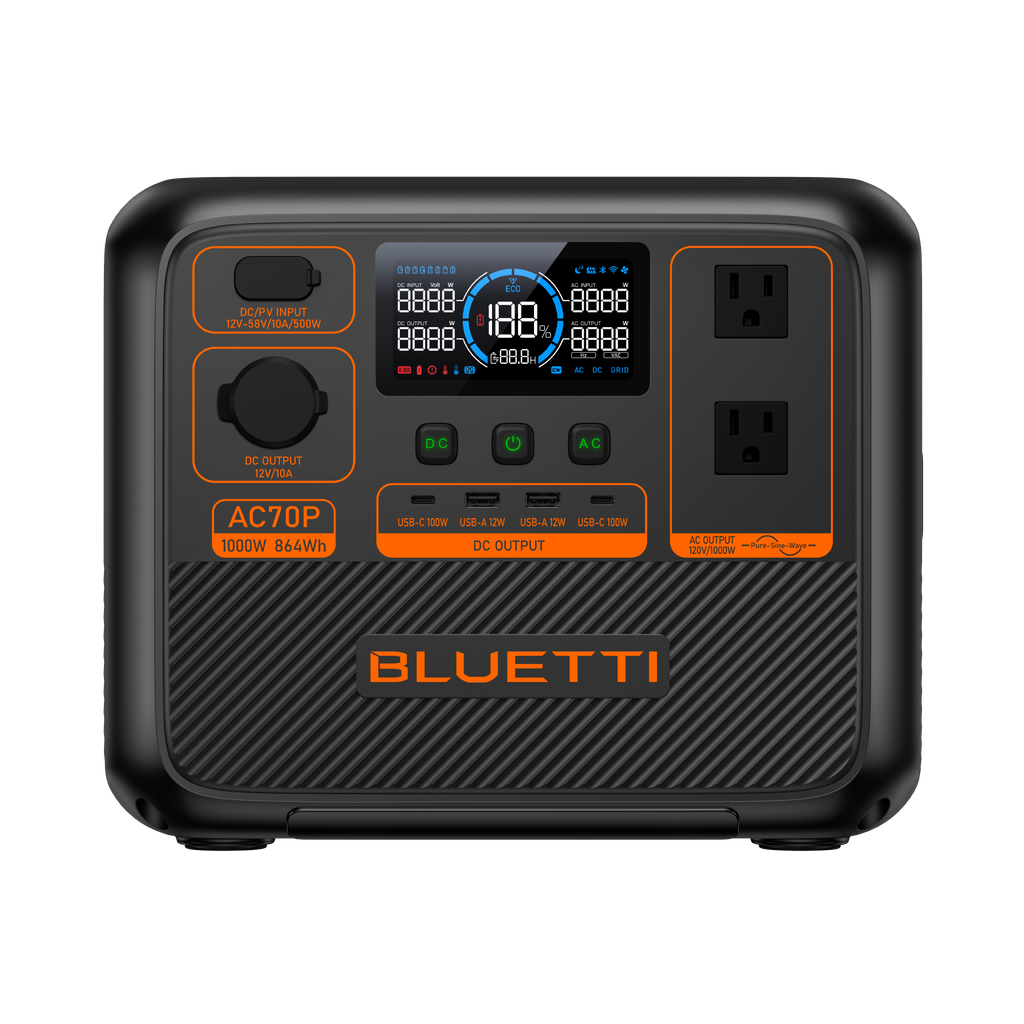
At $649, the BLUETTI AC70P Portable Power Station | 1000W 864Wh is the best value in this set. You get 864Wh and 1,000W continuous output, which is enough for a useful range of real loads: laptops, routers, TVs, fans, lights, CPAP machines, and some small kitchen devices.
The catch is missing detail. Bluetti does not specify battery chemistry, cycle life, weight, warranty, or solar input limit in the supplied data here, so this is a value pick based mostly on capacity-per-dollar and inverter size. If your buying decision depends on long-term cycle durability, the Jackery 1000 Plus is easier to recommend.
| Spec | Value |
|---|---|
| Capacity | 864Wh |
| AC output | 1,000W continuous |
| Battery | not specified by the manufacturer |
| Cycle life | not specified by the manufacturer |
| Weight | not specified by the manufacturer |
| Expansion | No |
| Price | $649 |
Pros
| Strong 864Wh-to-$649 value ratio |
| 1,000W output covers many everyday backup loads |
| Simpler non-expandable design may suit casual buyers |
Cons
| Battery chemistry not specified by the manufacturer |
| Cycle life not specified by the manufacturer |
| No expansion path for future capacity growth |
Jackery Explorer 700 Plus Portable Power Station
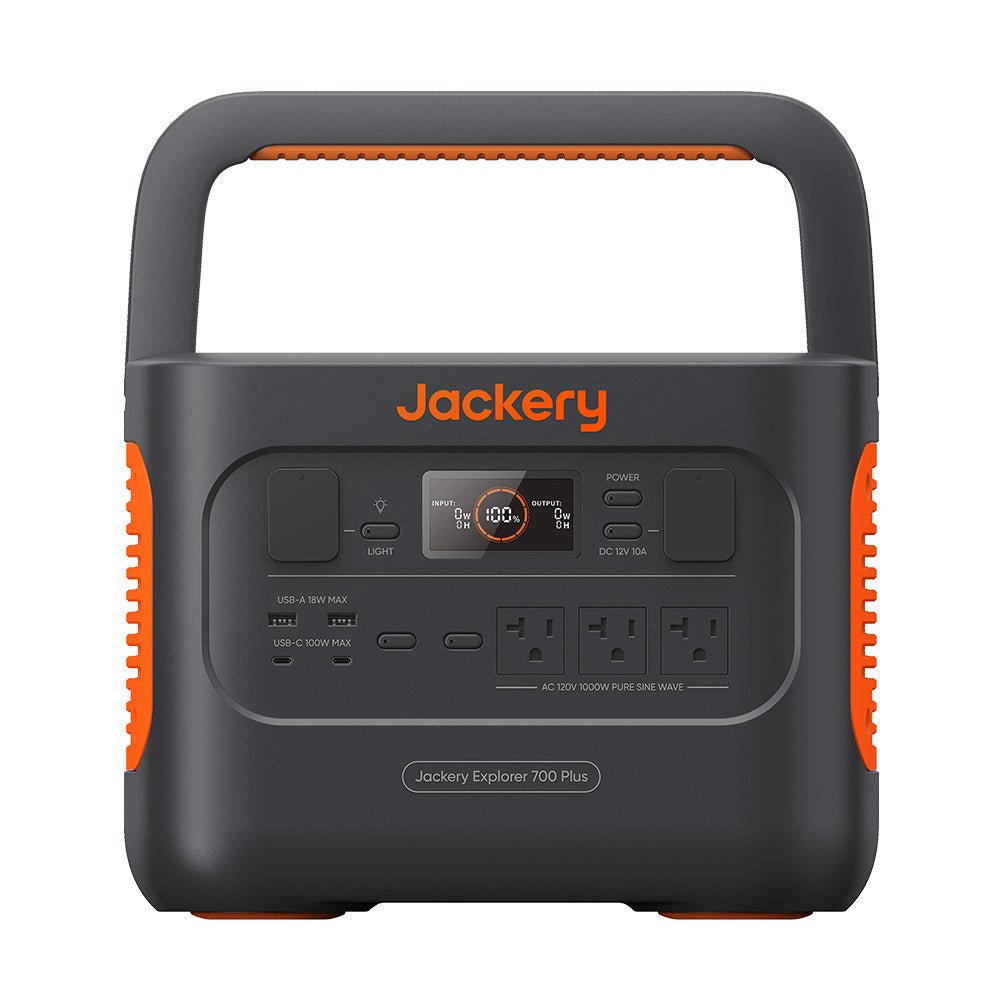
The Jackery Explorer 700 Plus Portable Power Station hits a practical middle tier: 680Wh and 1,000W for $599. That makes it one of the better buys here for weekend use, apartment backup, and buyers who want a real inverter without paying 1,000Wh-class money.
Its product description mentions “solar charging 2H (100W*6)” and a “3-year warranty + 2-year extended,” but the structured fields provided here do not include a solar input max or warranty field, so I’m treating those as descriptive claims rather than verified structured specs. The base numbers still make sense.
| Spec | Value |
|---|---|
| Capacity | 680Wh |
| AC output | 1,000W continuous |
| Battery | not specified by the manufacturer |
| Cycle life | not specified by the manufacturer |
| Weight | not specified by the manufacturer |
| Expansion | No |
| Price | $599 |
Pros
| $599 is reasonable for a 1,000W inverter class |
| 680Wh is enough for overnight electronics and small essentials |
| Likely easier to carry than larger 1kWh-plus units |
Cons
| Battery chemistry not specified by the manufacturer |
| Cycle life not specified by the manufacturer |
| Not expandable |
Jackery Explorer 550 Portable Power Station
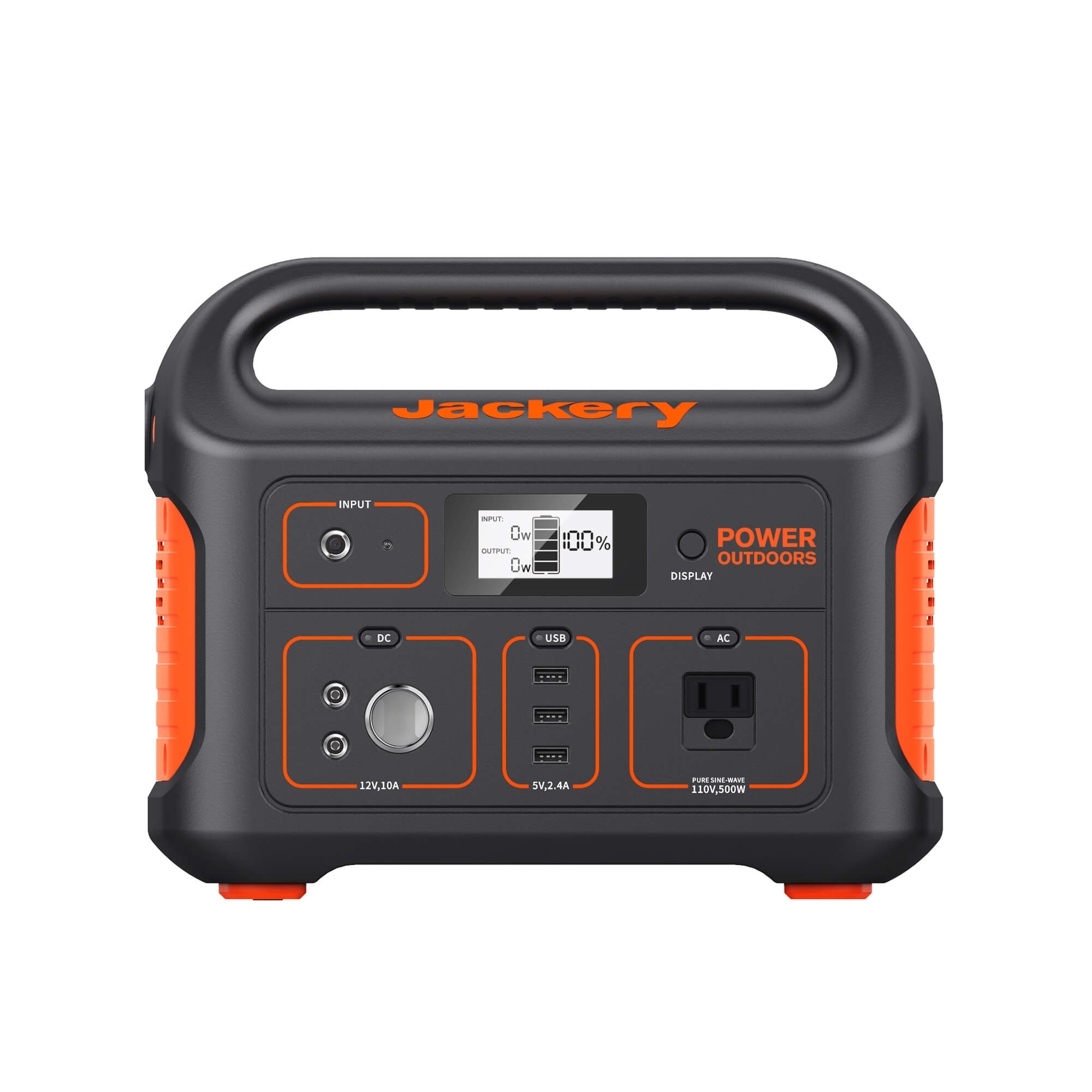
The Jackery Explorer 550 Portable Power Station is older-school portable power: 518Wh, 500W output, Li-ion chemistry, 500 cycles, and 6.0 kg weight. At $549, it is easy to understand and easy to carry, but it is not a strong value next to newer 1,000W-class units just $50 higher.
This is the pick for buyers who care most about low weight and modest loads. Think phones, cameras, drones, a laptop, a router, or a small fan. If you need fridge backup or long cycle life, skip it.
| Spec | Value |
|---|---|
| Capacity | 518Wh |
| AC output | 500W continuous |
| Battery | Li-ion |
| Cycle life | 500 cycles |
| Weight | 6.0 kg |
| Expansion | No |
| Price | $549 |
Pros
| 6.0 kg is genuinely portable |
| Simple fit for light camping and device charging |
| Known Li-ion chemistry and cycle count are disclosed |
Cons
| 500W output is limiting for kitchen and backup loads |
| 500-cycle rating is far behind LiFePO4 models |
| $549 looks expensive next to newer 680Wh/1000W options |
Jackery Solar Generator 700 Plus
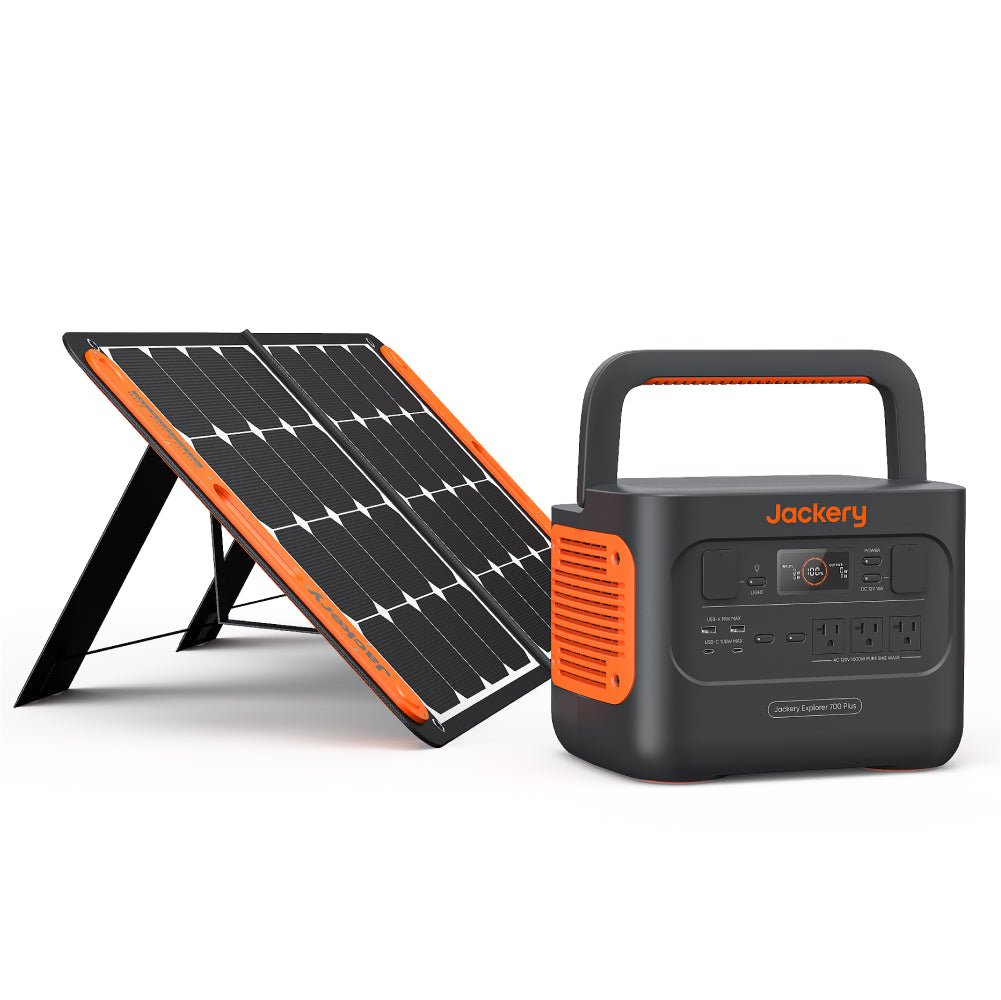
The Jackery Solar Generator 700 Plus appears to be the bundled version of the Explorer 700 Plus. The core specs match: 680Wh and 1,000W. The price does not: $999 versus $599 for the standalone station.
That premium only makes sense if you specifically want the included solar panels and prefer a single purchase. If you already have panels or want to shop panels separately, the standalone Explorer 700 Plus is the better buy.
| Spec | Value |
|---|---|
| Capacity | 680Wh |
| AC output | 1,000W continuous |
| Battery | not specified by the manufacturer |
| Cycle life | not specified by the manufacturer |
| Weight | not specified by the manufacturer |
| Expansion | No |
| Price | $999 |
Pros
| Convenient all-in-one purchase for first-time solar users |
| 1,000W inverter is more useful than entry-level 300W to 500W units |
| Same base capacity as the Explorer 700 Plus |
Cons
| Much pricier than the standalone Explorer 700 Plus |
| Panel bundle details are not specified in the supplied structured data |
| Battery chemistry not specified by the manufacturer |
Jackery Solar Generator 1000 Plus
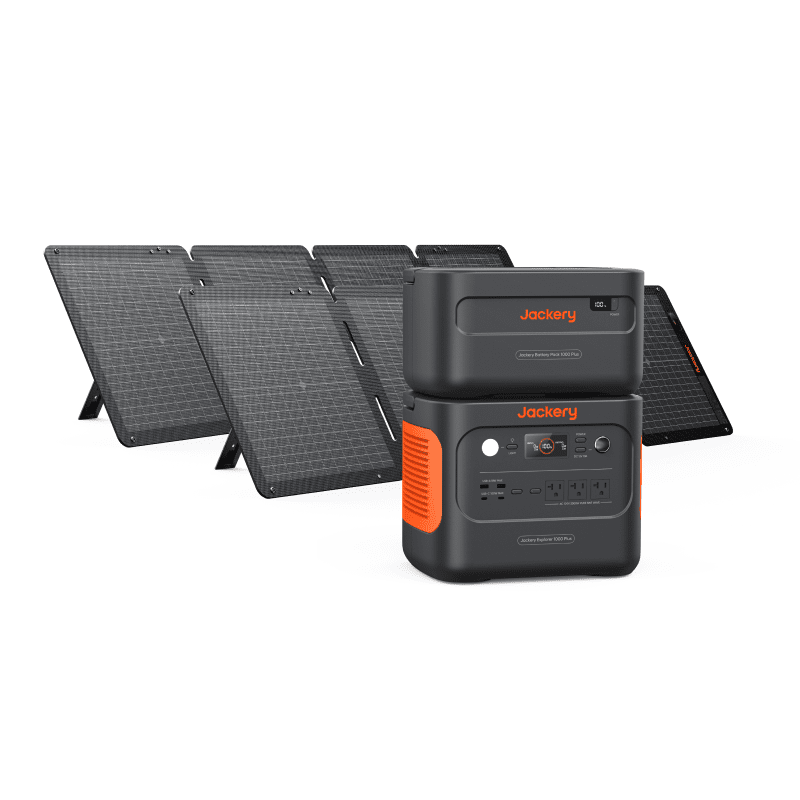
The Jackery Solar Generator 1000 Plus is the bundle version of the Explorer 1000 Plus. Specs are the same: 1,264Wh, 2,000W, LiFePO4, 4,000 cycles, 14.5 kg, expandable to 5,000Wh. The bundle price is $2,099.
If you want the simplest route to a matched solar setup, this is the cleanest premium option in the list. If you are value-focused, the standalone Explorer 1000 Plus is the smarter buy, and you can choose panels later after you size your system.
| Spec | Value |
|---|---|
| Capacity | 1,264Wh |
| AC output | 2,000W continuous |
| Battery | LiFePO4 |
| Cycle life | 4,000 cycles |
| Weight | 14.5 kg |
| Expansion | Yes, up to 5,000Wh |
| Price | $2,099 |
Pros
| Excellent core hardware with LiFePO4 and 2,000W output |
| Expandable platform suits backup and off-grid use |
| Bundle simplifies buying for first-time users |
Cons
| $2,099 is a steep premium over the standalone unit |
| Solar input limit not specified by the manufacturer in supplied data |
| Bundle components are not detailed in the structured fields |
BLUETTI AC2P Portable Power Station | 300W 230.4Wh
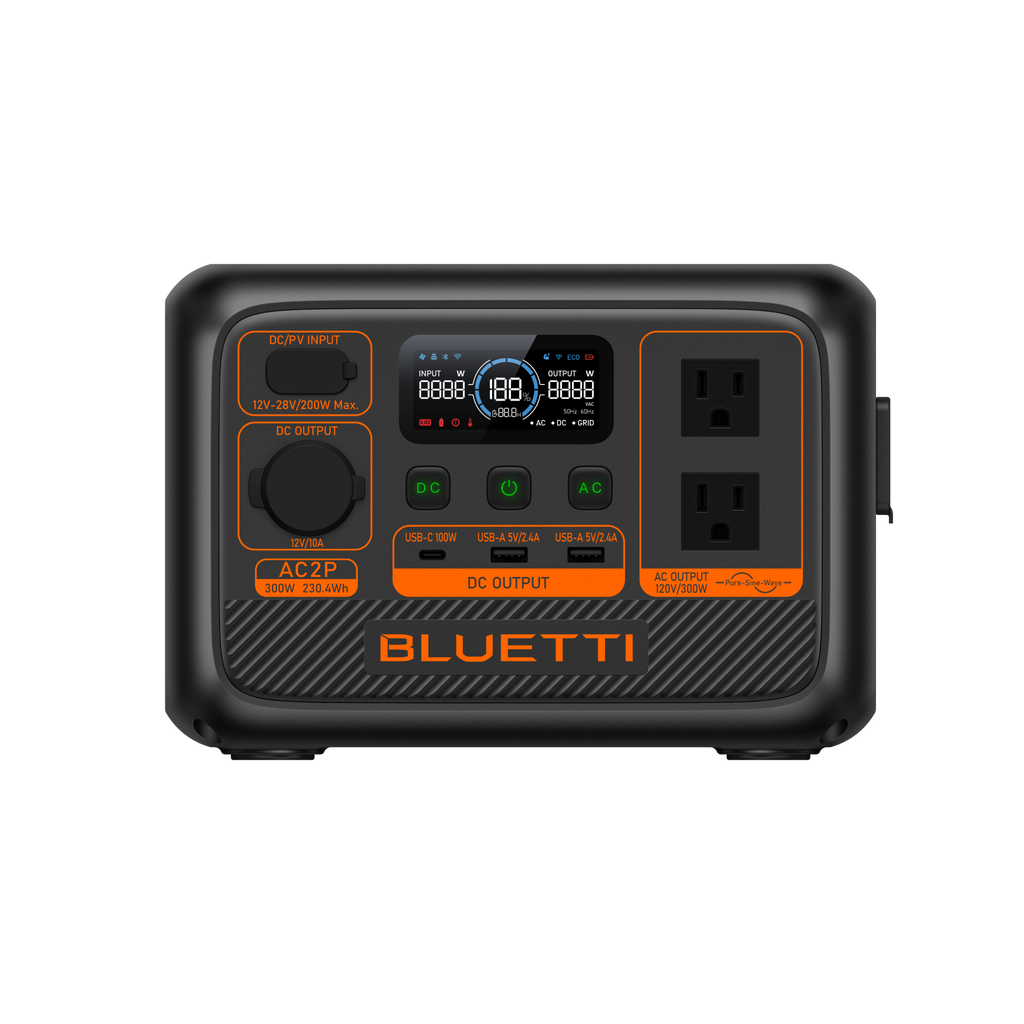
The listing for BLUETTI AC2P Portable Power Station | 300W 230.4Wh is the messiest in this dataset. The product name says 300W and 230.4Wh, but the structured capacity field says 864Wh, and the description references the AC70P with 1,000W and 864Wh. I’m not going to invent a fix.
What I can say confidently is that the listed AC output is 300W and the current price is $159. That makes it the cheapest entry point here, but also the least trustworthy listing from a data-quality standpoint. Treat it as a tiny-load option only unless you verify the official product page directly.
| Spec | Value |
|---|---|
| Capacity | conflicting data: name says 230.4Wh; structured field says 864Wh |
| AC output | 300W continuous |
| Battery | not specified by the manufacturer |
| Cycle life | not specified by the manufacturer |
| Weight | not specified by the manufacturer |
| Expansion | No |
| Price | $159 |
Pros
| Lowest current price in the lineup |
| 300W class can cover phones, lights, and small electronics |
| Compact category is easier to store and carry |
Cons
| Capacity data is inconsistent across the supplied fields |
| 300W output is very limited |
| Key specs are not specified by the manufacturer |
Apex 300 Home Integration Kit
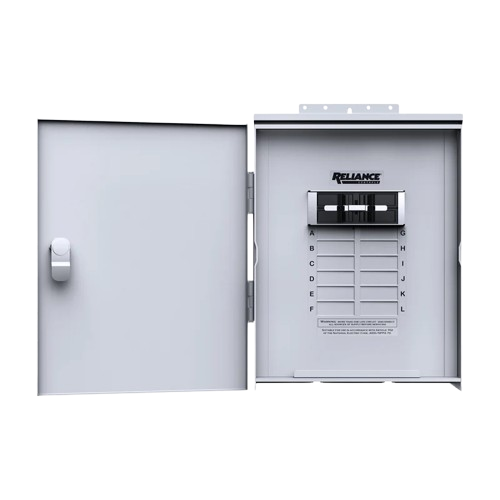
This is the outlier. The Apex 300 Home Integration Kit is less “portable power station for camping” and more “entry home-backup platform with portability as a secondary trait.” The numbers are much larger than the rest of the field: 2,764Wh, 3,840W continuous output, LiFePO4 chemistry, 6,000 cycles, 38.0 kg weight, and expansion up to 29,400Wh.
At $699, the listed price looks unusually low for this spec set, and the description says this is a home integration kit compatible with the Apex300. So I would verify exactly what is included before buying. Still, based strictly on the provided data, this is the best fit for home circuits and critical-load backup. For outage planning, the U.S. Department of Energy’s backup power guidance is a useful reality check on which loads matter most first (DOE).
| Spec | Value |
|---|---|
| Capacity | 2,764Wh |
| AC output | 3,840W continuous |
| Battery | LiFePO4 |
| Cycle life | 6,000 cycles |
| Weight | 38.0 kg |
| Expansion | Yes, up to 29,400Wh |
| Price | $699 |
Pros
| Far higher capacity and output than the camping-focused models |
| LiFePO4 with 6,000 cycles is excellent on paper |
| Expansion to 29,400Wh supports serious backup use |
Cons
| 38.0 kg is heavy for a “portable” product |
| Description suggests kit-specific inclusion details need verification |
| Solar input limit not specified by the manufacturer |
What you give up at this price
The main thing you give up in this field is clean, complete spec transparency. Several products are missing battery chemistry, cycle life, weight, warranty, surge output, or maximum solar input. That does not automatically make them bad products, but it does make them harder to recommend with confidence. If you care about long-term ownership, disclosed LiFePO4 chemistry and a published cycle-life figure are worth real money.
You also give up some portability once you move into true backup-capable units. A 500Wh to 700Wh station can still feel grab-and-go. A 1,264Wh class unit at 14.5 kg is portable but not light. A 2,764Wh system at 38.0 kg is transportable, not something most people want to carry around camp. That is the usual trade: more watt-hours and more inverter power mean more weight and more cost.
Finally, “solar-ready” is often doing a lot of work in marketing copy. In this dataset, many models do not publish a verified solar input limit in the structured data, and the bundle products cost much more than the standalone stations with the same underlying battery and inverter. If you are trying to maximize value, buy the core power station first, verify solar input specs on the official page, and only then choose panels.
Frequently asked questions
What size portable power station should I buy for solar charging?+
Start with your actual loads, not the marketing label. For phones, lights, and a laptop, roughly 200 to 700Wh can work; for a fridge, CPAP, or longer backup, 800Wh to 1,500Wh is usually a safer target. Use our sizing calculator to match watt-hours and inverter output to your appliances.
Is a solar generator different from a portable power station?+
Usually, no. In most retail listings, 'solar generator' means a portable power station bundled with one or more solar panels, while the core battery-and-inverter unit is the same or very similar.
Is LiFePO4 worth paying extra for in 2026?+
For most buyers, yes. LiFePO4 models typically offer much longer cycle life than older lithium-ion designs, which matters if you plan to use the unit often rather than only for rare outages.
Can these power stations run a refrigerator?+
Some can, some cannot. You need enough continuous AC output for startup and running loads, plus enough battery capacity for the hours you want; models around 1,000W to 2,000W output are the safer starting point for many full-size fridges.
Should I buy the power station alone or the solar generator bundle?+
Buy the standalone unit if you already own compatible panels or want to choose your own array later. Buy the bundle if you want a simpler one-box purchase and are comfortable paying more for included panels.
Editor at SolarWorld covering portable power, balcony PV and home energy storage. Specifications quoted in this guide are pulled directly from our product database; analysis and recommendations are by Nathan Cole.
Full bio & methodology →Related articles
- Buying guide · 9 min
Best Expandable Portable Power Stations 2026: Only 7 Worth Buying
Our 2026 shortlist of portable power stations with honest tradeoffs, real specs, and quick picks to help you buy the right model fast.
- Buying guide · 8 min
Best EcoFlow Portable Power Stations 2026: 7 Worth Buying
Our top portable power station picks for 2026, ranked by capacity, output, and value, with honest tradeoffs and direct links.
- Buying guide · 8 min
Best BLUETTI Portable Power Stations 2026: 7 Worth Buying
Our 2026 short list of the best BLUETTI power stations, with exact specs, honest tradeoffs, and the few models actually worth your money.