Verdict at a glance
For most buyers, the BLUETTI PS72 Portable Power Station | 700W 716Wh is the better mid-tier value in this matchup. It gives you 716Wh vs 518Wh, 700W vs 500W of continuous AC output, and a much richer outlet mix, all for just $30 more than the Jackery Explorer 500 Portable Power Station. The Jackery still has a case: it is the more transparent product on paper because Jackery specifies Li-ion chemistry, 500 cycles, and 6.0 kg weight, while BLUETTI does not specify those fields in the provided listing. If you want the clearer spec sheet and likely lighter carry weight, Jackery stays relevant. If you want the stronger value on raw usable capability, PS72 wins.
| Pick | Best if… |
|---|---|
| BLUETTI PS72 | You want more capacity, more AC output, more device-charging flexibility, and better dollar-per-Wh value for only $30 extra. |
| Jackery Explorer 500 | You want a simpler, well-known 500Wh-class unit with published weight, chemistry, and cycle-life data, and you value lower upfront cost above runtime. |
Side-by-side specifications
| Spec | BLUETTI PS72 Portable Power Station | 700W 716Wh | Jackery Explorer 500 Portable Power Station |
|---|---|---|
| Capacity | 716Wh | 518Wh |
| AC output (continuous) | 700W | 500W |
| AC output (surge) | not specified by the manufacturer | not specified by the manufacturer |
| Battery chemistry | not specified by the manufacturer | Li-ion |
| Cycle life | not specified by the manufacturer | 500 cycles |
| Weight | not specified by the manufacturer | 6.0 kg |
| Warranty | not specified by the manufacturer | not specified by the manufacturer |
| Price | $329 | $299 |
| Expandable battery | No | No |
| Max expansion | not applicable | not applicable |
| Max solar charging input | not specified by the manufacturer | not specified by the manufacturer |
| Ports / outlets | 12 outlets total; includes 2 × 100W USB-C and a wireless charging pad | not specified by the manufacturer in the provided data |
| Official product page | BLUETTI | Jackery |
Where BLUETTI PS72 Portable Power Station | 700W 716Wh wins
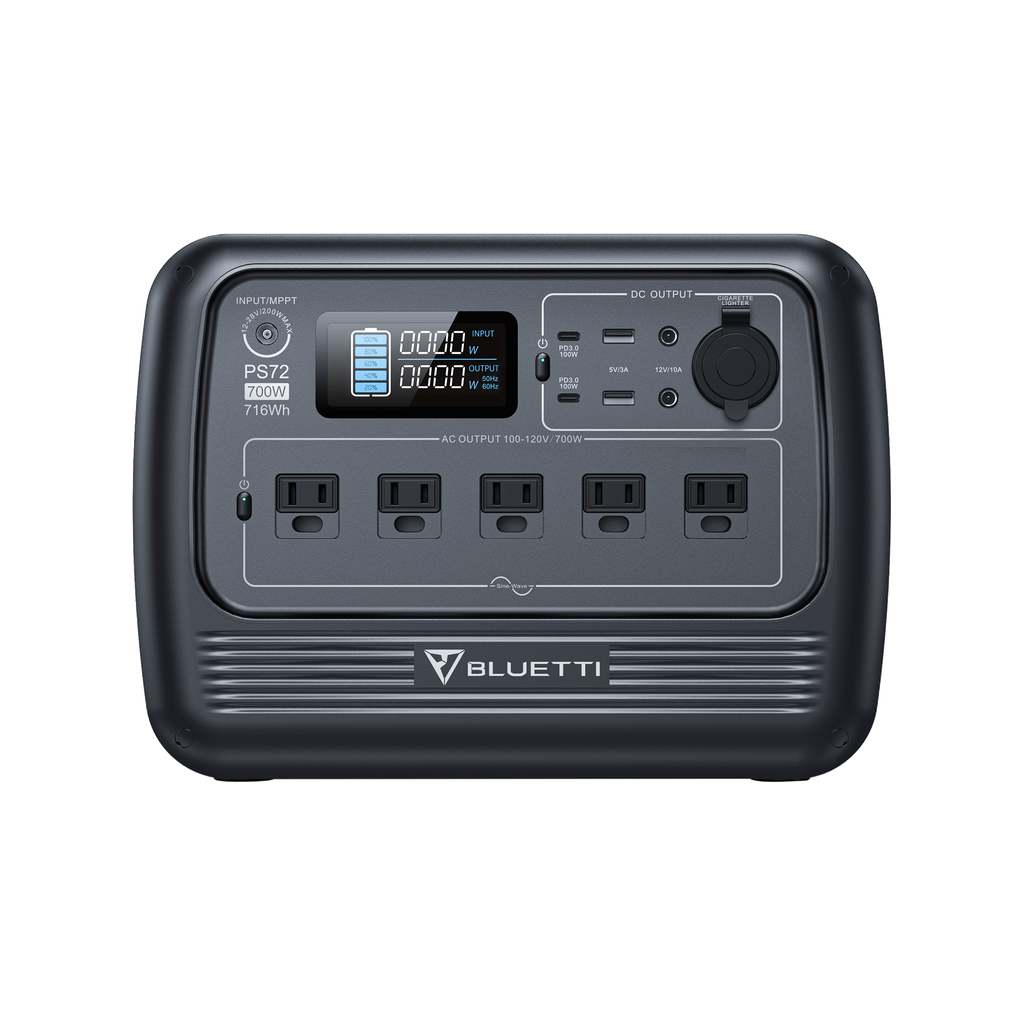
The biggest advantage is simple: 716Wh vs 518Wh. That is a 198Wh gap, or about 38% more capacity for the PS72. In real use, that is the difference between charging a laptop fleet through a workday versus running short by late afternoon, or getting an extra night of CPAP or router backup before recharge. If you are still estimating your loads, use our calculator to size your system. On straight stored energy per dollar, the BLUETTI also comes out ahead at roughly $0.46/Wh versus $0.58/Wh for the Jackery.
The second win is output headroom: 700W continuous AC on the PS72 versus 500W on the Explorer 500. That extra 200W matters more than the numbers suggest because many common appliances bunch up in the 500W to 700W range. A device that is too close to a station’s ceiling can trip overload protection or force you to avoid running anything else at the same time. More output headroom usually means fewer compromises with small kitchen gear, compact tools, and multi-device charging setups. The U.S. Department of Energy’s consumer guidance on backup power stresses matching inverter output to the running wattage of the loads you plan to support, not just battery size alone DOE.
BLUETTI also clearly wins on charging convenience from the data we have. The PS72 description states 12 outlets, including 2 × 100W USB-C ports and a wireless charging pad. That is a strong modern port mix for phones, tablets, laptops, cameras, and accessories without reaching for extra adapters. Two 100W USB-C ports are especially useful because many USB-C laptops can charge at or near full speed from a 100W PD source. The Jackery listing in the provided data does not specify its port count or USB-C capability, so on published information alone, BLUETTI gives the buyer a more complete picture of everyday usability.
The price gap is also small enough that the PS72’s extra hardware is hard to ignore. At $329, it costs just $30 more than the Jackery’s $299. For that delta, you get the bigger battery, stronger inverter, and the only clearly listed high-power USB-C setup in this comparison. That is why the PS72 takes the value crown in this article, even after factoring in that Jackery is more transparent on some missing specs. For context on how we weigh price, runtime, and output, see our scoring methodology. If you buy through product links on SolarWorld, read our affiliate disclosure.
Where Jackery Explorer 500 Portable Power Station wins
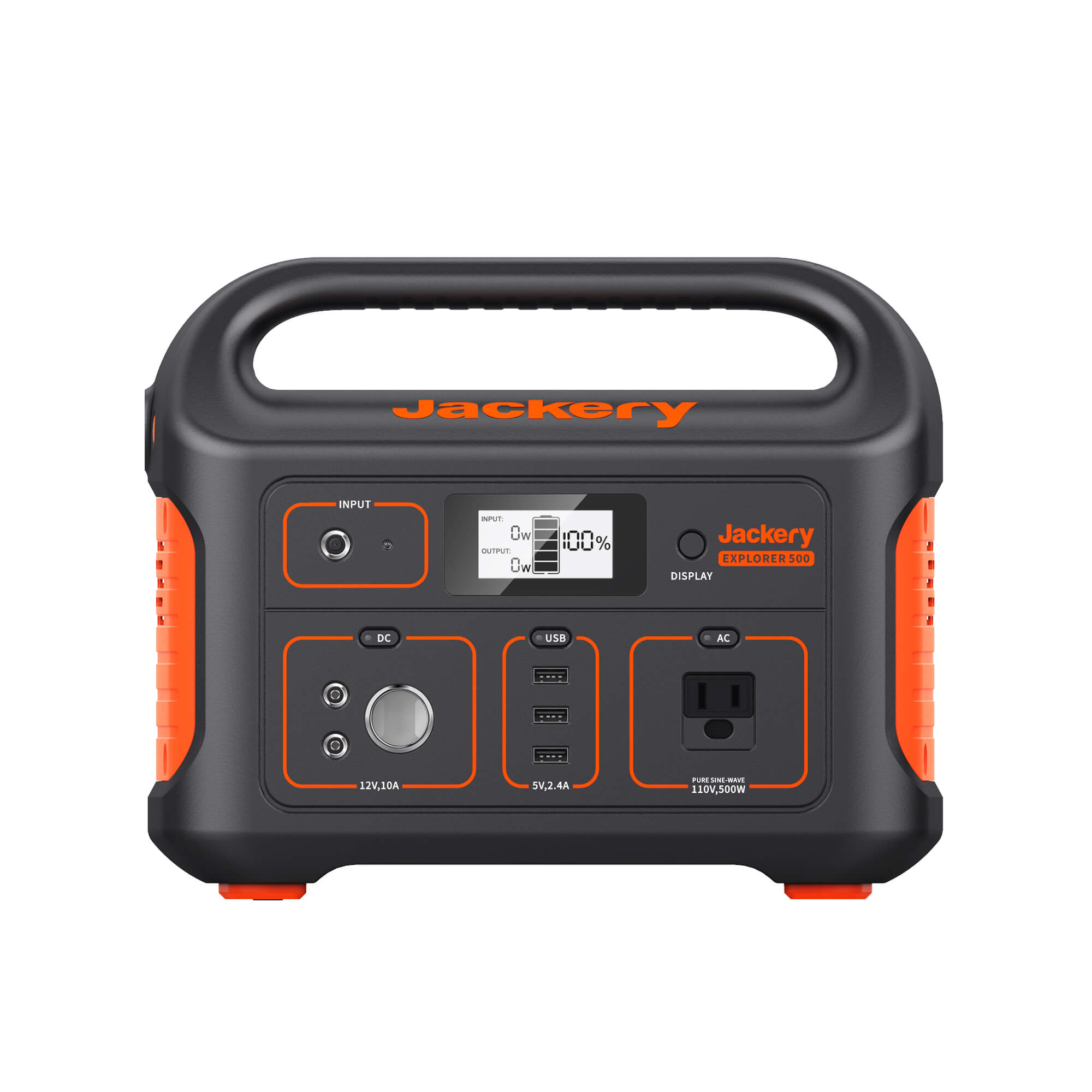
Jackery’s clearest advantage is spec transparency. In the provided data, the Explorer 500 lists Li-ion battery chemistry, 500 cycles, and 6.0 kg weight. For the PS72, those same fields are not specified by the manufacturer in the dataset used for this comparison. That matters because buyers trying to compare longevity, portability, and battery type are working with more complete information on the Jackery side. If you prefer to buy from a sheet with fewer blanks, Jackery is easier to trust at a glance.
Weight is another practical win. At 6.0 kg, the Explorer 500 is a known quantity for carrying from car to campsite, around a jobsite, or up apartment stairs. The PS72 weight is not specified in the provided data, so I cannot claim it is heavier or lighter. But if portable means “I need to know exactly what I’m lifting,” Jackery gives you that answer. For many buyers, a published carry weight is not a minor spec; it determines whether the unit gets used often or left at home.
The Jackery also has the lower entry price at $299. The difference is modest, but for a buyer with a hard cap under $300, that can settle the purchase immediately. If your loads are modest — phone charging, camera batteries, LED lighting, a router, or occasional small electronics — the Explorer 500’s 518Wh and 500W may already be enough. In that use case, paying less up front can be the right move even if the BLUETTI is the stronger value on paper.
Finally, the Explorer 500 is a simpler buy for buyers who already know and like the Jackery ecosystem. Brand familiarity does not override specs, but it does affect real shopping behavior. The product is positioned by Jackery for “camping, fishing, and outdoor power backup,” and that use case aligns with a straightforward 500Wh-class station. If you do not need 700W output or 100W USB-C, the Jackery’s smaller spec set may still be sufficient.
Common ground
Both of these units sit in the same broad consumer category: compact, non-expandable portable power stations meant for light backup, camping, road trips, and device charging, not whole-home support. Neither model offers expansion batteries in the provided data. Neither has manufacturer-specified surge output, warranty length, or solar input max in the dataset here. So if those are make-or-break specs for you, this comparison should be paired with the official product pages before checkout.
They also share the same basic limitation of the sub-1kWh class: you need realistic expectations. A 500Wh to 700Wh station is usually a strong fit for electronics, communications gear, lighting, small DC loads, and some low-watt AC appliances. It is not a long-duration solution for space heating, full-size refrigerators, or high-draw cooking gear. Battery runtime also depends on inverter losses and the load profile; usable AC energy is always lower than nameplate capacity because conversion losses are part of the system. IEC efficiency and standby test methods are one reason real runtime differs from simple Wh ÷ W math IEC.
Who should buy BLUETTI PS72 Portable Power Station | 700W 716Wh
Buy the PS72 if you want the best capability-per-dollar in this head-to-head. At 716Wh, 700W, and $329, it gives you more runtime and more output margin for only a small premium over the Jackery. It also looks better for modern gadget-heavy use because BLUETTI explicitly lists 12 outlets, 2 × 100W USB-C, and a wireless charging pad. If your shopping priority is “get me the most useful power station near $300,” the PS72 is the more compelling pick. You can also compare it against more models in our full database. Buy BLUETTI PS72 Portable Power Station | 700W 716Wh →
Who should buy Jackery Explorer 500 Portable Power Station
Buy the Explorer 500 if you want a lower upfront price, a published 6.0 kg carry weight, and a product sheet with fewer unknowns on chemistry and cycle life. Its 518Wh capacity and 500W inverter are enough for many camping and small-backup jobs, and some buyers will prefer a simpler, lighter-spec unit from a familiar brand rather than paying extra for headroom they may not use. If transparency and portability are more valuable to you than maximizing watt-hours per dollar, the Jackery is the cleaner fit. Buy Jackery Explorer 500 Portable Power Station →
Alternatives worth considering
If both of these feel too small, step up in one move rather than trying to force a 500Wh-class station into a backup role it cannot cover. The strongest alternatives in the provided data are larger BLUETTI units with far more capacity and output. The BLUETTI Elite 200 V2 Portable Power Station - 2073.6Wh, 2600W is the cleanest “real upgrade” pick here: 2073Wh, 2600W, LiFePO4, 6000 cycles, and expansion up to 4147Wh for $799. If you are shopping for home backup rather than camping, the BLUETTI Apex 300 Home Battery Backup | 2,764.8Wh, 3,840W and the Apex 300 Home Integration Kit move into a different class entirely.
 BLUETTI Elite 200 V2 Portable Power Station - 2073.6Wh, 2600W — 2073Wh, 2600W, LiFePO4, 6000 cycles, 24.4 kg, expandable to 4147Wh, $799.
 BLUETTI Apex 300 Home Battery Backup | 2,764.8Wh, 3,840W — 2764Wh, 840W listed continuous in provided data, LiFePO4, 6000 cycles, 38.0 kg, expandable to 29,400Wh, $1499.
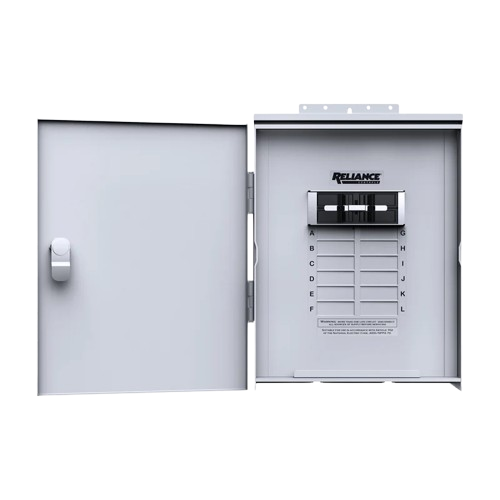 Apex 300 Home Integration Kit — 2764Wh, 3840W, LiFePO4, 6000 cycles, 38.0 kg, expandable to 29,400Wh, $699.
Frequently asked questions
Which power station gives better value per watt-hour?+
Based on current listed prices, the BLUETTI PS72 gives more stored energy per dollar: 716Wh for $329 versus 518Wh for $299 on the Jackery Explorer 500. That works out to roughly $0.46/Wh for the PS72 and $0.58/Wh for the Jackery.
Is the Jackery Explorer 500 easier to compare because it has more published specs?+
Yes. Jackery publishes battery chemistry, cycle life, and weight for the Explorer 500 in the provided data, while several PS72 fields are not specified by the manufacturer here. If spec transparency matters to you, that favors Jackery.
Can either of these be expanded with extra batteries?+
No. In the provided manufacturer data, both the BLUETTI PS72 and Jackery Explorer 500 are non-expandable systems.
Editor at SolarWorld covering portable power, balcony PV and home energy storage. Specifications quoted in this guide are pulled directly from our product database; analysis and recommendations are by Nathan Cole.
Full bio & methodology →Related articles
- Buying guide · 7 min
Jackery Explorer 290 vs 100 Plus: Best Ultra-Compact 2026
Jackery Explorer 290 vs Explorer 100 Plus: compare capacity, weight, battery type, price, and charging to pick the better ultra-compact power station.
- Buying guide · 7 min
BLUETTI AC70P vs Jackery Explorer 880: Best Buy 2026
BLUETTI AC70P vs Jackery Explorer 880: 864Wh vs 880Wh, both 1000W. See the price gap, spec differences, and which one is the smarter buy.
- Buying guide · 7 min
Jackery Explorer 500 vs 550: Best Buy in 2026?
Jackery Explorer 500 and 550 have the same 518Wh capacity and 500W output. Here’s the clear winner, key differences, and who should buy each.