Verdict at a glance
If you want the better ultra-compact buy for most people, the Explorer 100 Plus wins on portability, battery chemistry, and price: 99Wh, 128W output, 1.0 kg, LiFePO4, and $149. If you want meaningfully longer runtime and a bit more AC headroom, the Jackery Explorer 290 Portable Power Station is the better tool: 268Wh, 200W output, 3.6 kg, and $279. My short verdict: for truly ultra-compact carry-anywhere use, buy the 100 Plus; for small-appliance runtime, buy the 290. We compare products using our scoring methodology, and if you shop through commercial links, read our affiliate disclosure.
| Best pick | Who it's for |
|---|---|
| Pick A if… | You need more battery capacity and higher AC output in a still-portable package, and 3.6 kg is acceptable. |
| Pick B if… | You want the lightest, cheapest Jackery option here, plus LiFePO4 chemistry and very easy everyday carry. |
Side-by-side specifications
| Spec | Jackery Explorer 290 Portable Power Station | Explorer 100 Plus |
|---|---|---|
| Official product page | Jackery Explorer 290 Portable Power Station | Explorer 100 Plus |
| Image | 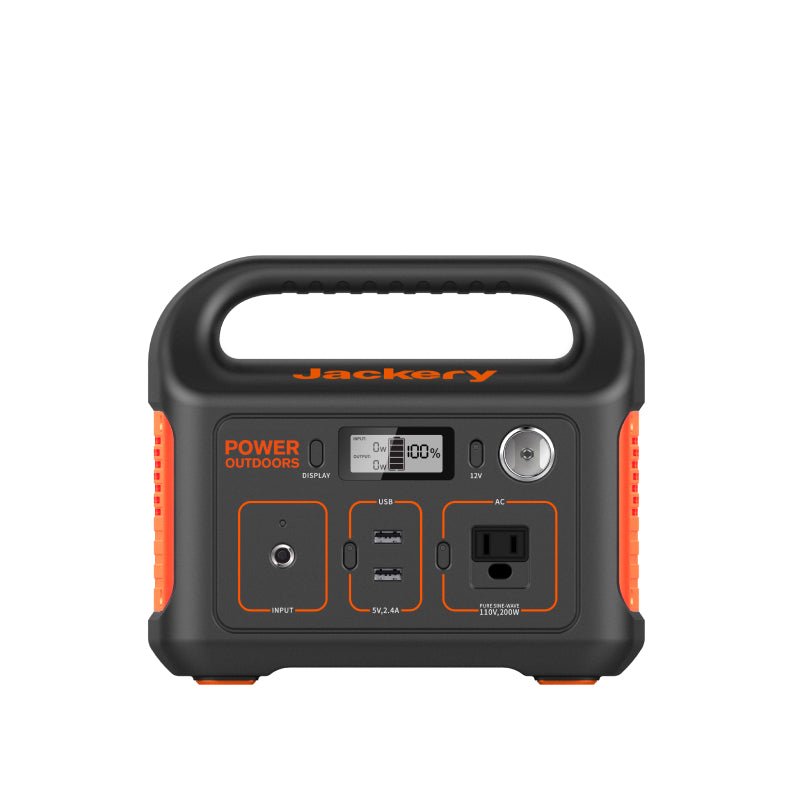 |
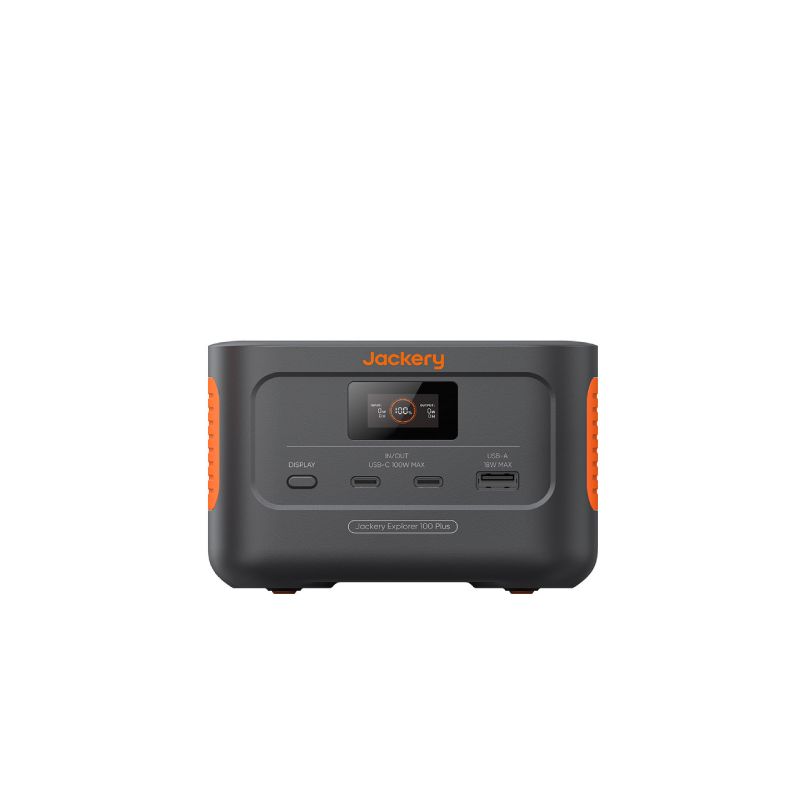 |
| Capacity | 268Wh | 99Wh |
| AC output (continuous) | 200W | 128W |
| AC surge output | not specified by the manufacturer | not specified by the manufacturer |
| Battery chemistry | Li-ion | LiFePO4 |
| Cycle life | 800 cycles | 0 in structured data; Jackery product description states 2,000 cycles to 80% capacity |
| Weight | 3.6 kg | 1.0 kg |
| Warranty | not specified by the manufacturer | not specified by the manufacturer; product description appears to reference 2 years |
| Expandable battery | No | No |
| Max expansion | not applicable | not applicable |
| Solar charging input | not specified by the manufacturer | not specified by the manufacturer |
| Charging details | not specified by the manufacturer | Product description states 100W dual PD charging & discharging, fully DC charged in 1.8 hours, solar charged in 2 hours |
| Ports | not specified by the manufacturer | Product description states 100W dual PD charging & discharging; full port count not specified by the manufacturer |
| Current price | $279 | $149 |
| MSRP | not specified by the manufacturer | not specified by the manufacturer |
Where Jackery Explorer 290 Portable Power Station wins
The big reason to buy the Jackery Explorer 290 Portable Power Station is simple: 268Wh is a lot more battery than 99Wh. On raw capacity, the 290 holds about 2.7 times as much energy as the 100 Plus. In practice, that changes the category of jobs it can handle. A 99Wh unit is great for phone charging, small cameras, and short laptop top-ups. A 268Wh unit is much more realistic for an evening of lighting, a router during an outage, or longer use of low-watt AC gear. If you have not done the math on your loads yet, use our calculator to size your system.
It also wins on AC output. The Explorer 290 is rated for 200W continuous, versus 128W on the Explorer 100 Plus. That 72W gap matters because many small appliances sit right on the edge of what these tiny stations can run. A 200W ceiling gives the 290 more room for things like a small TV, certain CPAP setups without humidifier, or a laptop brick plus another small load. The U.S. Department of Energy notes that wattage is the rate of power use, while watt-hours measure stored energy, so both numbers matter in a buying decision: output determines what you can run, capacity determines for how long you can run it (DOE Energy Saver).
The 290’s larger battery also improves convenience even if your devices are modest. Portable power stations lose some energy in conversion and internal management, so the practical usable output is always lower than nameplate capacity. I am not assigning a made-up efficiency figure here because Jackery does not publish one in the provided data. Still, with 268Wh instead of 99Wh, the 290 gives you a much larger buffer against those normal losses. That means less anxiety about topping off after every use.
There is also a case for the 290 if you care more about “small but capable” than “smallest possible.” At 3.6 kg, it is still portable enough for car camping, emergency drawer duty, or moving room to room. It is not pocketable, but it is still compact by power-station standards. If your idea of ultra-compact includes a handle and real runtime, the 290 has the stronger argument.
Where Explorer 100 Plus wins
The Explorer 100 Plus wins the ultra-compact brief on weight by a mile. It weighs 1.0 kg versus 3.6 kg for the Explorer 290. That is not a small difference. It means the 100 Plus is the one you will actually toss into a day bag, camera kit, glovebox, or personal item without thinking twice. For air, rail, or daily commuting use, that lower mass is the most important spec in this matchup.
It also wins on price. At $149, the 100 Plus costs $130 less than the 290’s $279. On a dollars-per-unit basis, the 290 gives more watt-hours for the money, but that is not the whole story in this category. Buyers shopping ultra-compact power often care more about entry price and convenience than bulk energy storage. If your loads are just phones, earbuds, handhelds, and occasional USB-C laptop support, spending nearly double for the 290 may not make sense.
Battery chemistry is another major edge. The 100 Plus uses LiFePO4, while the 290 uses Li-ion. LiFePO4 is widely recognized for long cycle life and thermal stability relative to conventional lithium-ion chemistries used in many older small power stations. Jackery’s own product description for the 100 Plus states “2,000 cycles to 80% capacity,” while the structured data field supplied here shows 0 for cycle life, which is clearly not a usable published spec on its own. By contrast, the Explorer 290 is listed at 800 cycles. Even if you ignore every other factor, the 100 Plus is the better fit for frequent charge-discharge use over years.
Charging convenience also appears better on the 100 Plus based on the manufacturer description provided. Jackery states 100W dual PD charging and discharging, a full DC charge in 1.8 hours, and solar charging in 2 hours. The Explorer 290 charging details are not specified in the supplied data. I cannot fill in missing numbers that are not here, but based on the available information, the 100 Plus looks much more modern in USB-C-centric use. For people who live on phones, tablets, drones, and USB-C laptops, that matters more than a little extra AC output.
Common ground
Both of these Jackery units are non-expandable portable power stations aimed at small loads, not whole-home backup. Neither has battery expansion, neither includes a manufacturer-specified surge rating in the provided data, and several key charging details are missing for the Explorer 290. So the expectation should be modest: these are for electronics, lights, and low-power gear, not heaters, kettles, or high-draw kitchen appliances.
They also share the same basic appeal of the small power-station category: silent operation at the point of use, no fuel storage, and much easier indoor use than a gas generator. If you are comparing them, you are really choosing between two different definitions of “compact.” The 290 is compact enough to move easily and powerful enough to feel useful for longer sessions. The 100 Plus is compact enough to carry constantly and cheap enough to become a no-drama backup. If you want to compare these against more options, browse our full database.
Who should buy Jackery Explorer 290 Portable Power Station
Buy the Explorer 290 if your priority is runtime first and portability second. It is the better pick for car campers, outage-prep buyers, and anyone who expects to run low-watt AC devices for more than a quick session. The 268Wh capacity and 200W continuous output make it meaningfully more capable than the 100 Plus, and that extra headroom reduces the number of “sorry, this won’t run that” moments. If your bag can handle 3.6 kg and your budget can handle $279, the 290 is the more useful small power station overall.
Buy Jackery Explorer 290 Portable Power Station →
Who should buy Explorer 100 Plus
Buy the Explorer 100 Plus if “ultra-compact” means lowest weight, lower price, and frequent everyday carry. At 1.0 kg and $149, it is the one I would pick for travel, commuter backup, field photography kits, and basic USB-C-heavy use. The LiFePO4 chemistry and Jackery-stated 2,000-cycle claim also make it the better long-term frequent-use option. You give up a lot of runtime versus the 290, so this is the right choice only if your devices are small and your expectations are realistic.
Buy Explorer 100 Plus →
Alternatives worth considering
If neither Jackery quite lands, there are a few alternatives in the data worth a look. The closest small-unit alternative is the BLUETTI AC2P Portable Power Station | 300W 230.4Wh, listed at $159 with 300W output and 230.4Wh in the product name, though the provided data also shows 864Wh and contains description conflicts, so I would verify specs on the manufacturer page before buying. The other two entries in the dataset are not real ultra-compact alternatives; they are much larger home-backup products and sit in a different class entirely.
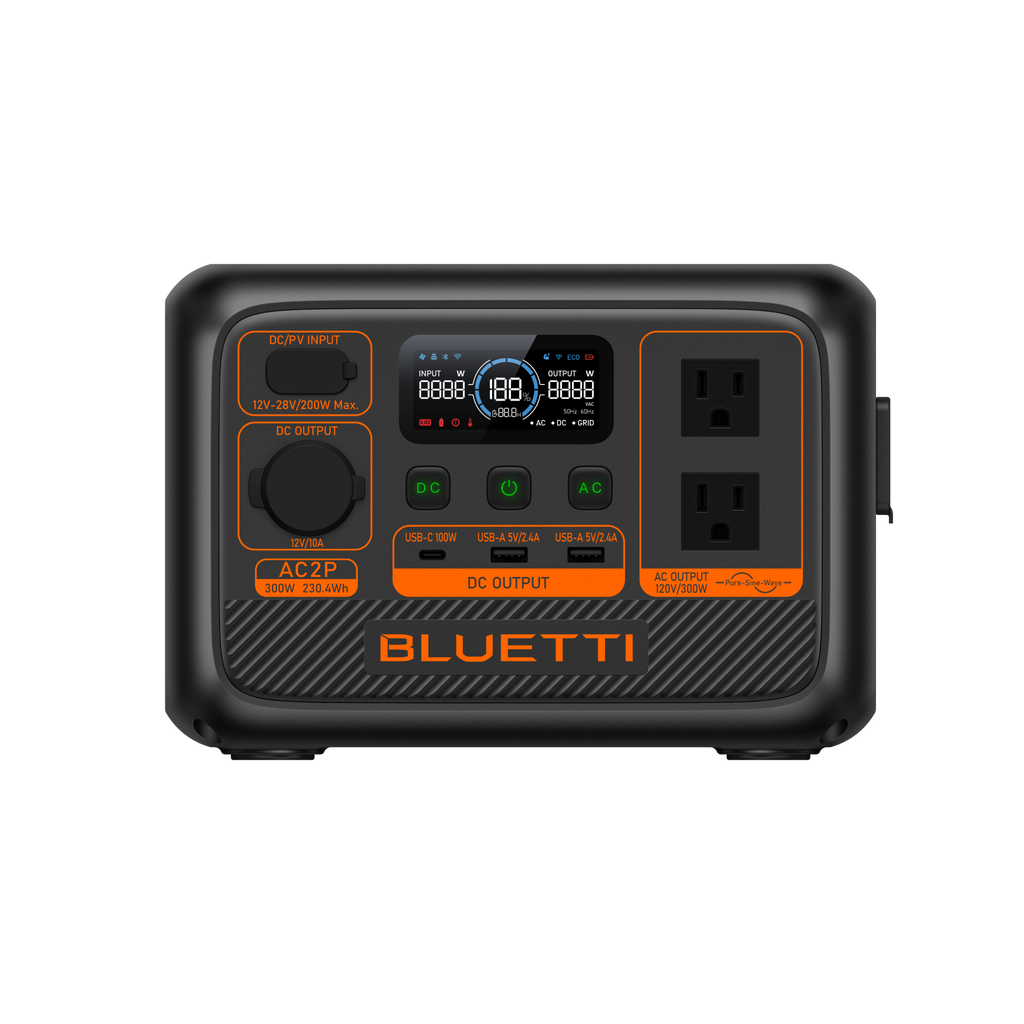 BLUETTI AC2P Portable Power Station | 300W 230.4Wh — potentially strong value at $159, but the supplied source data is internally inconsistent, so verify before purchase.
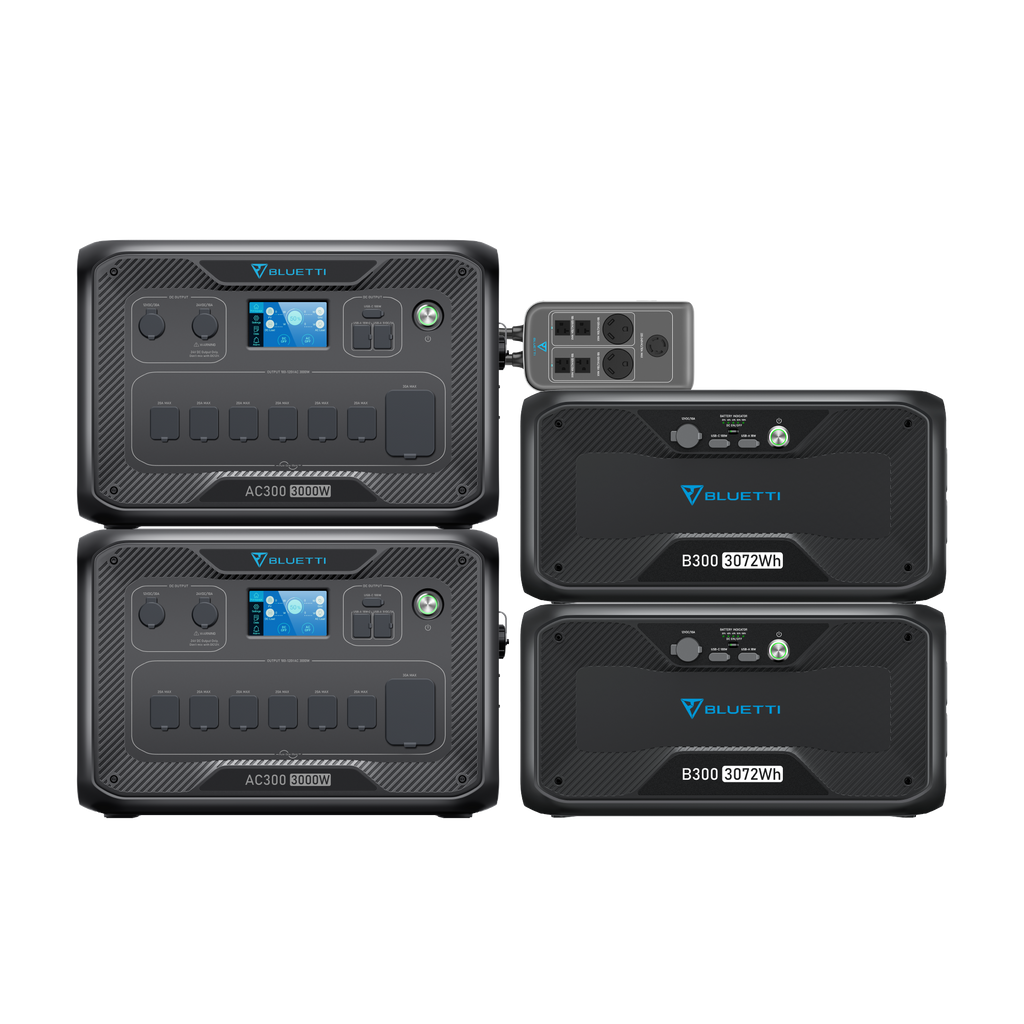 BLUETTI 2AC300 + 2B300 + 1*P030A | Home Battery Backup — 3,072Wh and 3,000W, far beyond this comparison’s size class.
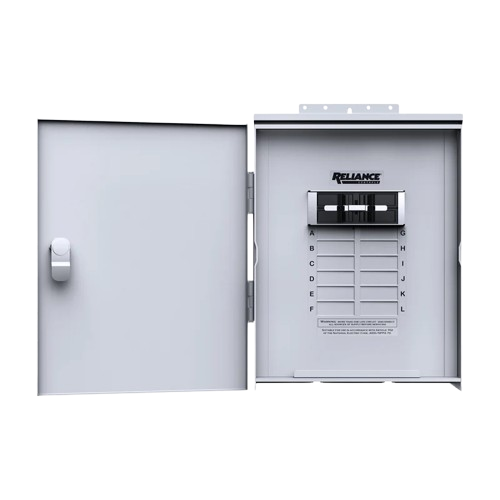 AC500 Home Integration Kit — not an ultra-compact portable station; this is home integration hardware tied to a much larger backup ecosystem.
Frequently asked questions
Which has more usable runtime: Jackery Explorer 290 or Explorer 100 Plus?+
The Explorer 290 has 268Wh versus 99Wh on the Explorer 100 Plus, so it has far more stored energy for longer runtimes. In plain terms, that means fewer recharge stops for lights, routers, cameras, and other small electronics.
Which one is better for long-term battery durability?+
The Explorer 100 Plus uses LiFePO4 chemistry, and Jackery's product description states 2,000 cycles to 80% capacity. The Explorer 290 is listed at 800 cycles with Li-ion chemistry, so the 100 Plus is the stronger pick for frequent use over several years.
Is the Explorer 100 Plus too small compared with the Explorer 290?+
That depends on your loads. At 99Wh, the Explorer 100 Plus is much more limited for runtime, but its 1.0 kg weight makes it easier to carry daily. If you need more than pocket-size backup, the 268Wh Explorer 290 is the safer buy.
Editor at SolarWorld covering portable power, balcony PV and home energy storage. Specifications quoted in this guide are pulled directly from our product database; analysis and recommendations are by Nathan Cole.
Full bio & methodology →Related articles
- Buying guide · 7 min
BLUETTI AC70P vs Jackery Explorer 880: Best Buy 2026
BLUETTI AC70P vs Jackery Explorer 880: 864Wh vs 880Wh, both 1000W. See the price gap, spec differences, and which one is the smarter buy.
- Buying guide · 7 min
Jackery Explorer 500 vs 550: Best Buy in 2026?
Jackery Explorer 500 and 550 have the same 518Wh capacity and 500W output. Here’s the clear winner, key differences, and who should buy each.
- Buying guide · 7 min
Jackery Explorer 240 vs 240 v2: Best Buy in 2026?
Jackery Explorer 240 vs 240 v2 compared on capacity, power, battery life, weight, and price. See the clear winner for small portable use in 2026.