Jackery Explorer 500 vs Jackery Explorer 550: which one wins for mid-size portable (2026)
Verdict at a glance
On the numbers provided by Jackery, this is not a close fight. The Jackery Explorer 500 Portable Power Station and Jackery Explorer 550 Portable Power Station are listed with the same 518Wh capacity, 500W continuous AC output, Li-ion chemistry, 500-cycle life, and 6.0 kg weight. The only clear difference in the supplied data is price: $329 for the Explorer 500 versus $549 for the Explorer 550. If you are buying on specs and value, the Explorer 500 wins outright. If you specifically want the 550 model page, branding, or stock status, that is the only practical case for paying more. For how SolarWorld compares products, see our scoring methodology, and for monetization context, read our affiliate disclosure.
| Model | Best pick if… |
|---|---|
| Jackery Explorer 500 Portable Power Station | You want the same listed 518Wh/500W performance for $220 less. |
| Jackery Explorer 550 Portable Power Station | You specifically want this exact model listing and are willing to pay more despite matching core specs in the supplied data. |
Side-by-side specifications
| Spec | Jackery Explorer 500 Portable Power Station | Jackery Explorer 550 Portable Power Station |
|---|---|---|
| Product | Jackery Explorer 500 Portable Power Station | Jackery Explorer 550 Portable Power Station |
| Image | 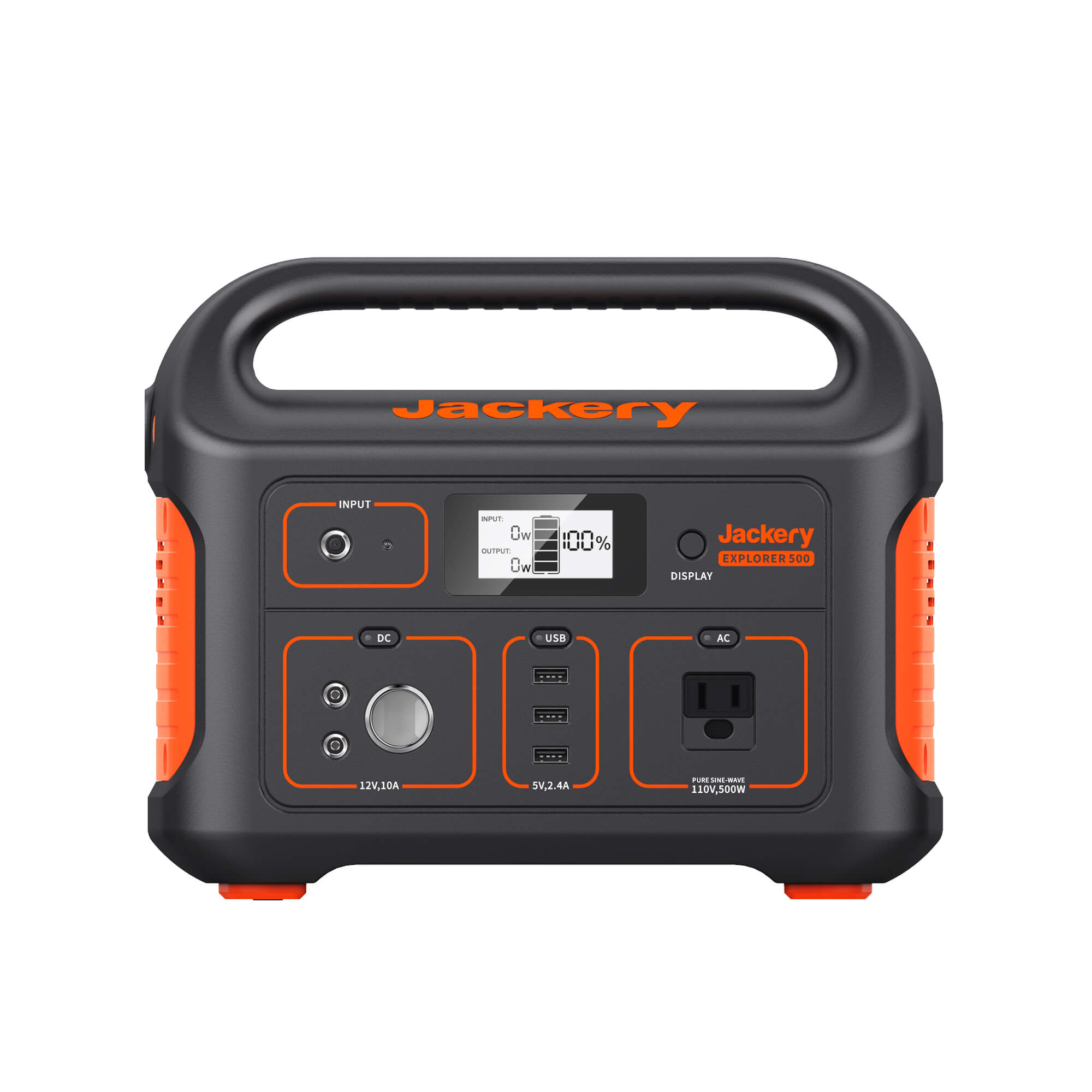 |
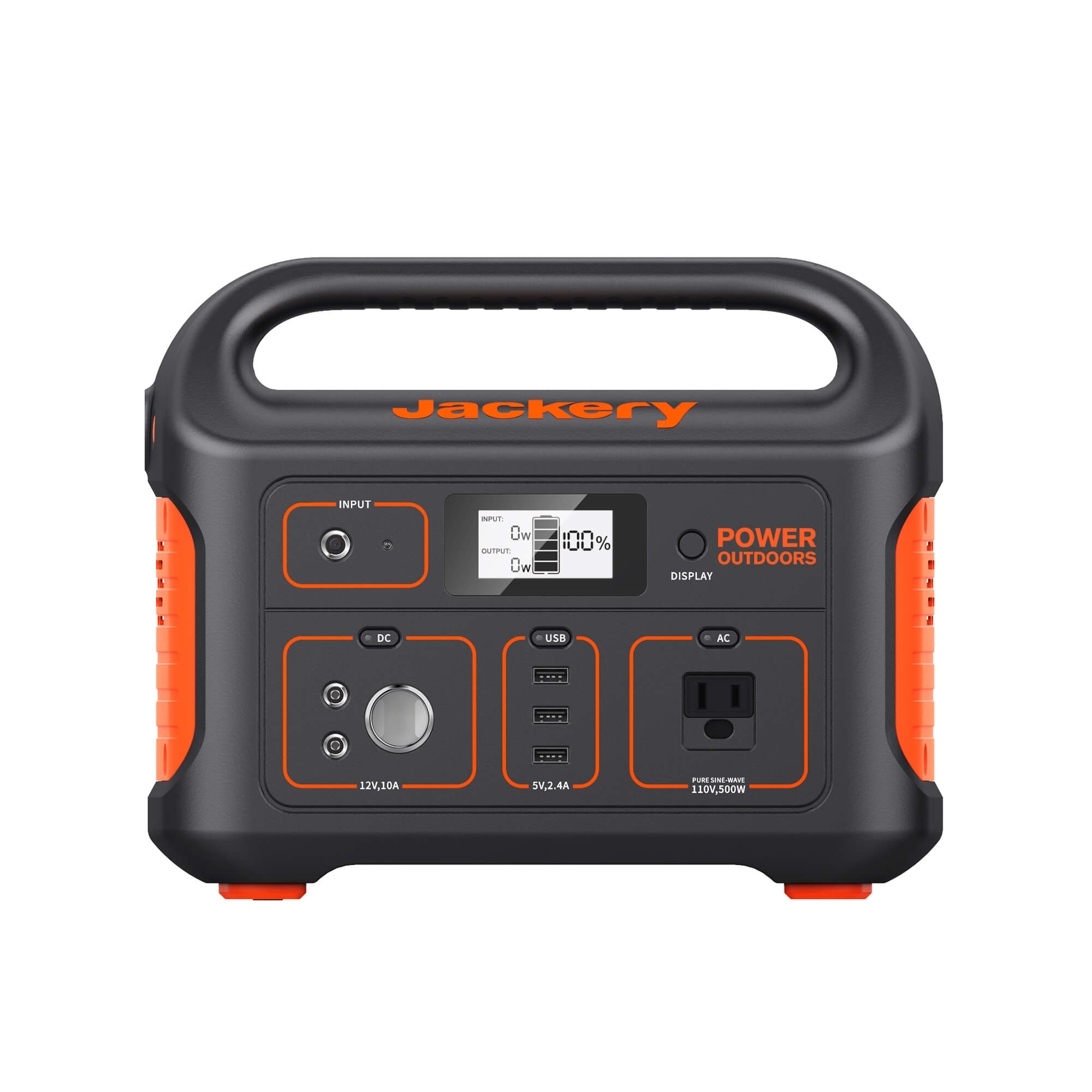 |
| Capacity | 518Wh | 518Wh |
| AC output (continuous) | 500W | 500W |
| AC surge output | not specified by the manufacturer | not specified by the manufacturer |
| Battery chemistry | Li-ion | Li-ion |
| Cycle life | 500 cycles | 500 cycles |
| Weight | 6.0 kg | 6.0 kg |
| Warranty | not specified by the manufacturer | not specified by the manufacturer |
| Expandable battery | No | No |
| Max expansion | not applicable | not applicable |
| Max solar charging input | not specified by the manufacturer | not specified by the manufacturer |
| Charging details | not specified by the manufacturer | not specified by the manufacturer |
| Ports | not specified by the manufacturer | not specified by the manufacturer |
| Current price | $329 | $549 |
| MSRP | not specified by the manufacturer | not specified by the manufacturer |
Where Jackery Explorer 500 Portable Power Station wins
The first and biggest win is price. In the supplied data, the Jackery Explorer 500 Portable Power Station costs $329, while the 550 costs $549. That is a $220 gap, or roughly 40% less money for the 500. Since both units are listed at 518Wh and 500W, the 500’s value advantage is not subtle; it is the whole story.
That price gap matters even more if you look at cost per unit of stored energy. The Explorer 500 works out to about $0.64 per Wh ($329 / 518Wh). The Explorer 550 lands near $1.06 per Wh ($549 / 518Wh). For a buyer trying to stretch budget across a panel, cables, or a second battery-powered device, the 500 leaves real room in the budget. If you have not run your loads yet, use our tool to size your system before paying extra for a model that, on paper, does not give you more capacity.
The second win is simpler: the Explorer 500 gives up nothing in the published core specs. Capacity is the same. Continuous AC output is the same. Weight is the same. Battery chemistry is the same. Cycle life is the same. With no listed advantage in output, runtime, portability, or longevity for the 550, the 500 becomes the default recommendation for any rational comparison based on manufacturer data.
The third win is buying clarity. Mid-size portable stations usually live or die on a few numbers: watt-hours, inverter size, battery chemistry, and weight. Here, those numbers match line for line. So the Explorer 500 is easier to recommend because there is less guesswork. If your goal is a compact unit for camping, tailgating, charging electronics, or running small AC loads within a 500W continuous limit, the 500 appears to deliver the same job for less cash. Jackery’s own product pages are the primary source for these figures, and where a spec is absent in the provided data—surge output, port count, solar input limit, warranty—we are not filling in the blanks.
Where Jackery Explorer 550 Portable Power Station wins
On the supplied numbers alone, the Jackery Explorer 550 Portable Power Station does not post a hard spec win over the Explorer 500. It has the same 518Wh capacity, the same 500W continuous AC output, the same Li-ion chemistry, the same 500-cycle life, and the same 6.0 kg weight. If you came here looking for a stronger inverter, more battery, lower mass, or longer rated lifespan, the provided data does not show any of that.
The one argument for the 550 is model-specific preference. Some buyers want the newer listing, the exact product page, or a design revision tied to that SKU. The supplied data does not spell out any hardware revision, port change, or charging change, so I cannot claim one exists. But if the 550 is the only one in stock where you shop, or if you simply prefer buying the current branded variant, that is a practical reason to choose it.
There is also a non-spec angle: product positioning. Jackery describes the Explorer 550 as “ideal for RV camping & getaways,” while the Explorer 500 is framed as “best portable power station for camping, fishing, and outdoor power backup.” Those are marketing descriptions, not performance differences, and they should not outweigh the numbers. Still, some shoppers may prefer the 550’s presentation or bundle options on the manufacturer page.
That said, I would not call any of those a real competitive win. Without listed differences in charging speed, port selection, warranty, or cycle life, the 550’s case rests on availability or personal preference, not measurable advantage. If Jackery has updated hidden details not present in the data here, they are not documented in the source set used for this comparison.
Common ground
Both Jackery units sit in the same practical class: 518Wh of storage and 500W of continuous AC output at 6.0 kg. That is the profile of a small-to-mid portable power station suited to phones, laptops, cameras, drones, routers, lights, CPAP use within inverter limits, and some low-draw appliances. It is not enough for sustained high-wattage heating loads like most space heaters, kettles, or large microwaves. For reference, the U.S. Department of Energy notes that wattage and runtime should be matched to the actual appliance load, which is exactly why inverter rating and battery capacity matter in tandem, not separately U.S. DOE.
They also share the same battery chemistry and rated cycle life in the supplied data: Li-ion and 500 cycles. That is a more old-school profile than newer LiFePO4 stations, which commonly target much higher cycle counts. You can see that shift in products elsewhere in the market and even in Jackery’s own lineup through the full database. Still, for occasional camping and backup use, 500-cycle lithium-ion packs can be perfectly serviceable if you are not deep-cycling them every day.
Just as important, both models are non-expandable in the provided data. That means what you buy is what you live with: 518Wh max, no add-on battery path listed. If you think your needs may grow beyond basic portable use, stepping up to a larger expandable platform is often smarter than trying to make a 500W class unit do home-backup work.
Who should buy Jackery Explorer 500 Portable Power Station
Buy the Explorer 500 if you want the cheapest path to this exact Jackery performance tier. At $329, it gives you the same listed 518Wh, 500W, Li-ion battery, 500-cycle life, and 6.0 kg carry weight as the 550. That makes it the obvious pick for budget-conscious campers, road trippers, and emergency-kit buyers who want a known brand without paying extra for no documented gain. Unless the 500 is out of stock or you have a model-specific reason to prefer the 550, this is the one to buy.
Buy Jackery Explorer 500 Portable Power Station →
Who should buy Jackery Explorer 550 Portable Power Station
Buy the Explorer 550 only if you specifically want that SKU, that product page, or that availability channel, and you accept that the supplied data does not show better performance than the Explorer 500. It is still a compact 518Wh / 500W Jackery unit at 6.0 kg, so it should fit the same general use cases. But for a buyer focused on measurable value, the 550 is hard to justify at $549. If you still prefer it for stock, branding, or bundle reasons, that is the lane where it makes sense.
Buy Jackery Explorer 550 Portable Power Station →
Alternatives worth considering
If neither of these feels like the right long-term fit, the better move may be to change size class rather than split hairs between two near-identical 518Wh units. The standout alternative in the provided data is Jackery’s much larger LiFePO4 platform, which gives you a major jump in output, cycle life, and expansion. The two Bluetti entries in the dataset are really home-backup products, not direct mid-size portable competitors, so they are only worth considering if your needs have moved well beyond camping and basic outage support.
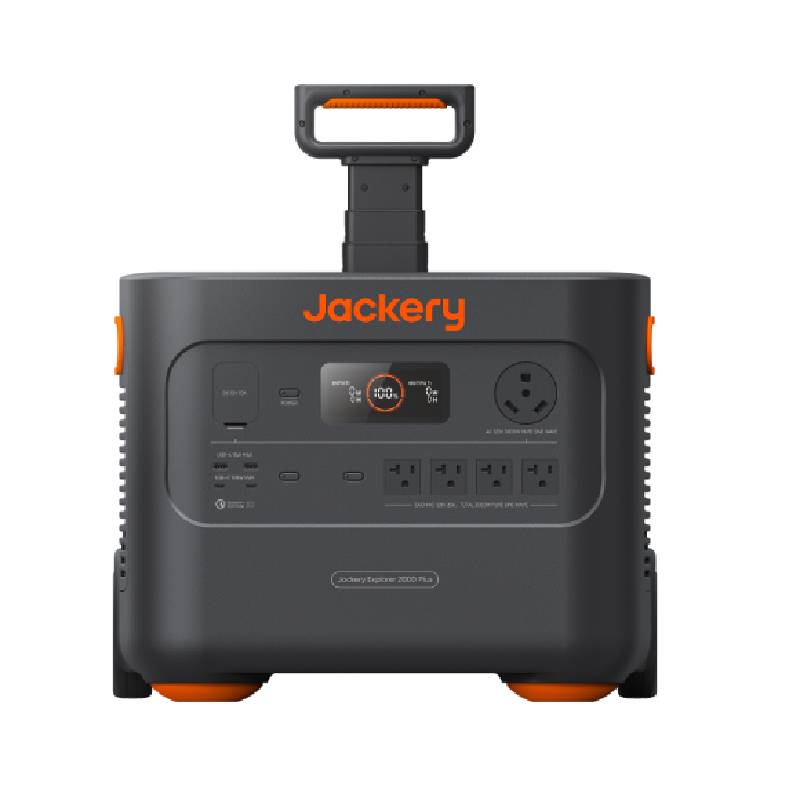 Jackery Portable Power Station Explorer 2000 Plus — 2042Wh, 3000W, LiFePO4, 4000 cycles, expandable to 12000Wh, priced at $2199. If you need serious appliance support or future expansion, this is the meaningful step up.
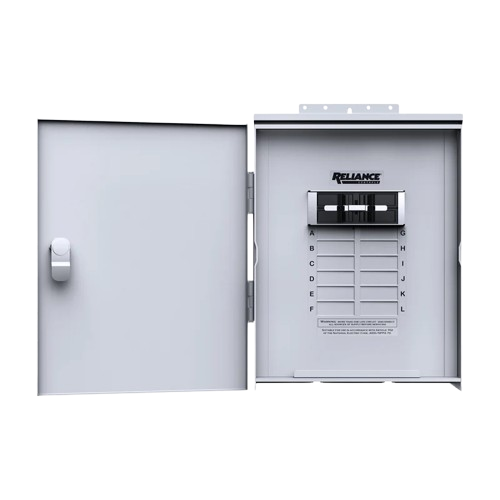 AC500 Home Integration Kit — 5120Wh, 5000W, LiFePO4, expandable to 30720Wh, $699 listed in the data. This is a home-integration product, not a grab-and-go portable station.
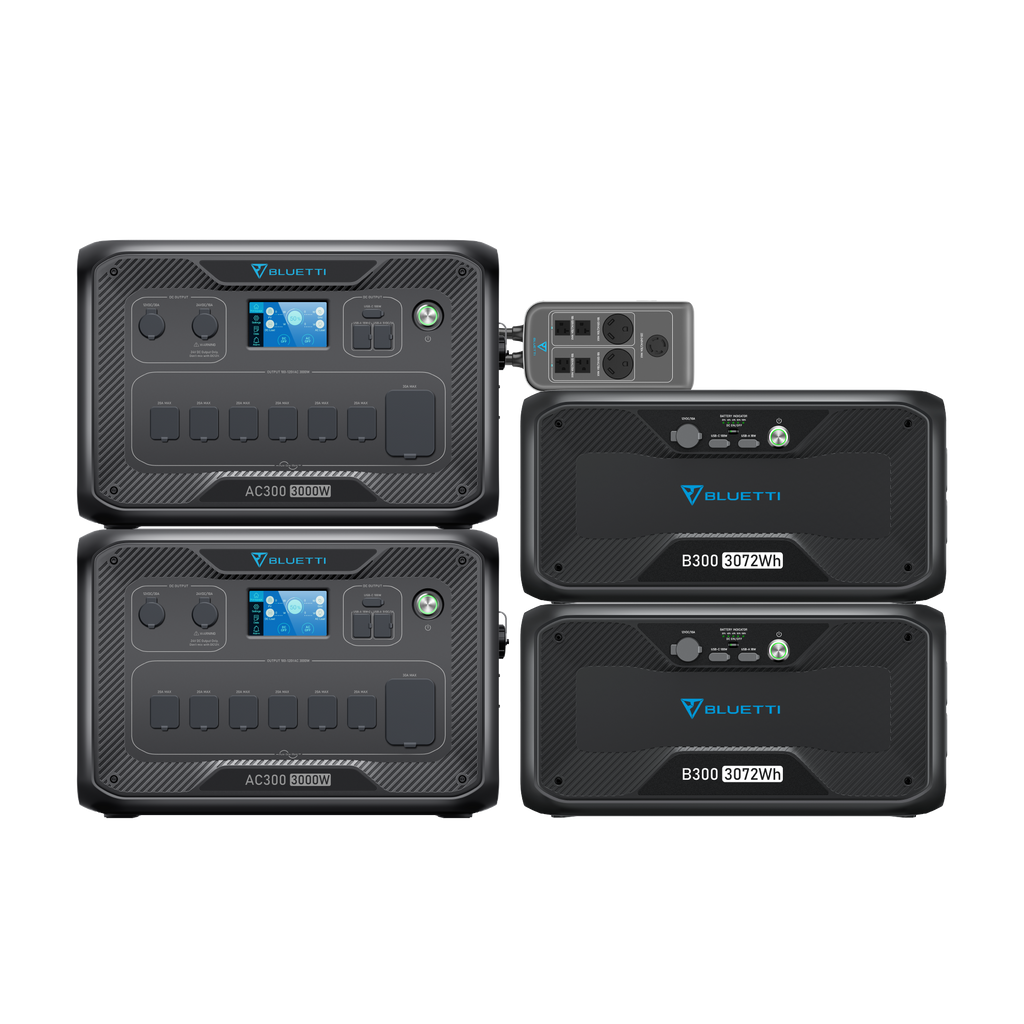 BLUETTI 2AC300 + 2B300 + 1*P030A | Home Battery Backup — 3072Wh, 3000W, LiFePO4, 3500 cycles, expandable to 12288Wh, $5497. This is for whole-home backup planning, not mid-size portability.
Frequently asked questions
Is the Jackery Explorer 550 more powerful than the Explorer 500?+
Based on Jackery’s listed specs in the provided product data, no. Both are rated at 518Wh capacity, 500W continuous AC output, 6.0 kg weight, Li-ion chemistry, and 500-cycle life.
Why is the Explorer 550 a worse value on paper?+
At the current listed prices in the supplied data, the Explorer 500 is $329 and the Explorer 550 is $549. With the same core specs, the 500 delivers the same rated capacity and output for $220 less.
Should I still buy the Jackery Explorer 550?+
Only if you specifically want that model listing, design revision, or availability path and you are comfortable paying more for what appears, from the supplied data, to be the same performance class. If price and specs are your main filters, the Explorer 500 is the stronger buy.
Editor at SolarWorld covering portable power, balcony PV and home energy storage. Specifications quoted in this guide are pulled directly from our product database; analysis and recommendations are by Nathan Cole.
Full bio & methodology →Related articles
- Buying guide · 7 min
BLUETTI PS72 vs Jackery Explorer 500: Best Value 2026
BLUETTI PS72 vs Jackery Explorer 500: compare 716Wh vs 518Wh, 700W vs 500W, ports, price, and who should buy each in 2026.
- Buying guide · 7 min
Jackery Explorer 290 vs 100 Plus: Best Ultra-Compact 2026
Jackery Explorer 290 vs Explorer 100 Plus: compare capacity, weight, battery type, price, and charging to pick the better ultra-compact power station.
- Buying guide · 7 min
BLUETTI AC70P vs Jackery Explorer 880: Best Buy 2026
BLUETTI AC70P vs Jackery Explorer 880: 864Wh vs 880Wh, both 1000W. See the price gap, spec differences, and which one is the smarter buy.